Red Baneberry
Basic Information
Scientific Name: Actaea rubra
Plant Family: Ranunculaceae
Conservation / Invasive Status: Least Concern
Safety Level: Toxic - External Use Only
Scientific & Botanical Information
Active Compounds
Actaea rubra (now also classified as Actaea rubra subsp. rubra, Red Baneberry) is a member of the Ranunculaceae family. The plant has been minimally studied for phytochemical composition. Historical chemical investigations identified ranunculins (which convert to protoanemonins upon tissue damage), and cardiogenic glycosides have been suggested in older literature, though modern analysis is lacking. The roots and rhizomes, traditionally employed, likely contain higher concentrations of bioactive compounds than aerial parts, though comparative analysis has not been conducted. The plant’s toxicity profile is better characterized than its medicinal chemistry: cardiogenic toxins present in the plant account for its traditional use as a cardiac stimulant and its significant safety concerns.
What Science Shows
Scientific research on Actaea rubra is limited. The plant is documented in toxicological literature as containing potentially cardiotoxic compounds, with reports of cardiac effects from traditional use and accidental poisoning. No clinical trials have validated traditional medicinal use. Modern pharmacological research has not isolated or characterized the active principles responsible for reported cardiac effects. The plant’s traditional use as a cardiac stimulant reflects practitioners’ empirical observation of cardiovascular effects, but modern research cannot confirm safety or efficacy at any dose. The plant is listed in some herbals as contraindicated due to cardiotoxicity risk.
Growing in New England
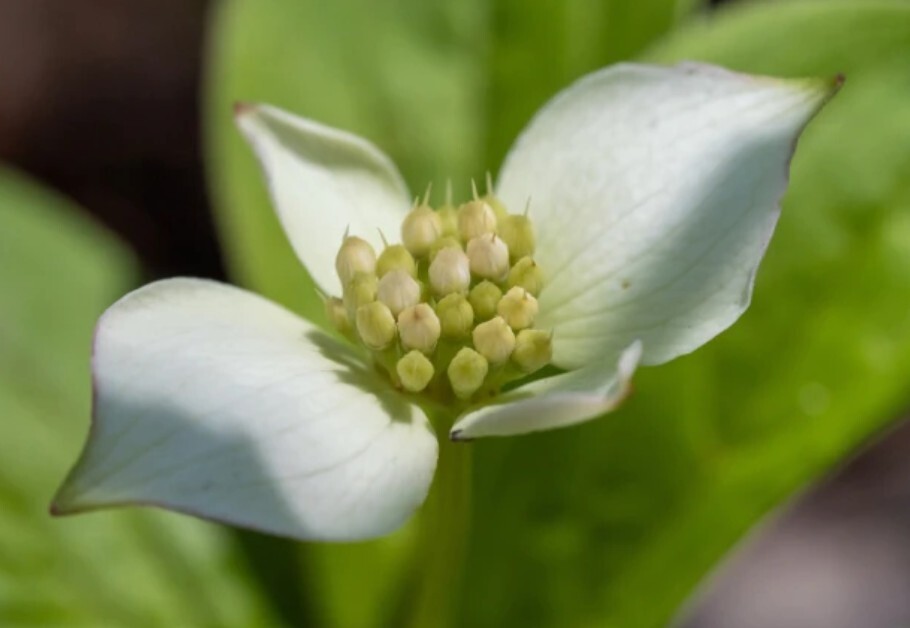
Actaea rubra is a native herbaceous perennial, found throughout New England in moist deciduous and mixed forests, particularly in rich soil near streams and wetland margins. Establishes from seed and spreads via rhizomes; growth is moderate. Prefers partial to full shade and consistently moist, rich soil. Produces white flower clusters in spring (May), followed by distinctive glossy red berries in mid-to-late summer (July–August). The berries persist through fall and are consumed by birds, which disperses seeds. The plant’s ecological role as a berry-producing understory plant is significant.
Safety & Interactions
SIGNIFICANT TOXICITY CAUTION: Red Baneberry contains potentially cardiotoxic compounds. The plant has a narrow margin between proposed therapeutic and toxic doses, and individual sensitivity varies significantly. Modern herbalists universally recommend avoiding internal use. The berries are particularly dangerous; accidental ingestion has resulted in serious cardiac effects. Contact dermatitis is possible with fresh plant material. Use only under professional supervision, if at all. Pregnant and nursing women must avoid. Significant risk of serious adverse effects, including cardiac arrhythmia and myocarditis.
New England Specific
Red Baneberry is a native plant with significant ecological but limited contemporary medicinal significance. Modern New England herbalists recognize the plant as a powerful teacher of caution and respect for botanical potency.
Traditional Herbalism Information
Parts Used & Their Applications
Historically, the roots and rhizomes were the primary medicinal parts. Modern herbalists rarely or never use this plant internally due to safety concerns.
Preparation Methods
Traditional preparations involved carefully dosed root infusions or decoctions. Modern practice strongly discourages internal use.
Traditional Applications
Historical herbalism documented Red Baneberry for: (1) Cardiac toning and stimulation; (2) Diuretic action; (3) Uterine and reproductive support. These applications reflected practitioners’ direct observation of powerful physiological effects, understood within traditional frameworks as beneficial heart work. Modern understanding of the plant’s cardiotoxicity questions whether historical use was safe or whether adverse cardiac effects were mistaken for therapeutic action.
Modern Adaptations
Contemporary Western herbalism has largely abandoned internal use of Red Baneberry. Some herbalists maintain the plant in materia medica for historical knowledge and as a teaching tool regarding botanical toxicity and the importance of caution. External applications have been documented historically but are not recommended in contemporary practice.
New England Specific
Contemporary New England herbalists recognize Red Baneberry as a plant to know and respect, but not to use internally. The plant serves as a powerful teacher of botanical caution and the importance of understanding plant chemistry before application.
Harvest Notes
For observation and botanical knowledge: Red Baneberry produces distinctive white flower clusters in spring and glossy red berries in mid-summer. DO NOT HARVEST FOR MEDICINAL USE. The plant is toxic; handling should be minimal. Verify positive identification: the compound leaves (thrice-divided, serrate leaflets), white flower clusters, and distinctive glossy red berries are characteristic. The berries are particularly distinctive and dangerous; they should never be consumed.
Magical Correspondences Information
Magical Correspondences
Planetary: Mars (power, danger, intensity, respect, boundaries between healing and harm). Element: Fire (intense heat, danger, transformation through fire). Secondary associations: Saturn (serious consequences, harsh teaching).
Magical Intentions
Used only in advanced practice for understanding boundaries between beneficial and harmful power. Represents the teaching of respect for dangerous forces. Appropriate only for experienced practitioners who understand energetic parallels to chemical toxicity.
Ritual Uses
Not used in internal magical work. Dried roots or berries placed on Mars or Saturn altars as teaching tools regarding power and danger. Meditation focus on the plant’s nature as a teacher of respect and caution.
Color Correspondences
Glossy red berries (danger, intensity, Mars power, clear warning); white flowers (purity tested by danger); dark foliage (grounding serious consequences).
Sabbat Associations
Samhain (October; boundaries between healing and harm, death wisdom); Lughnasadh (August; honoring wild forces and dangerous power).
Traditional Lore & Folk Magic
In indigenous tradition, understood as a plant of significant danger and power. Respected as teacher of responsibility and caution. European settlers recognized the plant’s danger; medieval herbals listed it among the most dangerous plants. The plant serves in contemporary practice as a teacher of discernment and of knowing what not to do.
Combining with Other Plants
Not combined with others for internal use. In magical practice, may be placed on altars with grounding plants like nettle or mugwort as a reminder of the boundary between healing and toxicity.
1 Moerman, D.E. (1998). Native American Ethnobotany. Timber Press. [Actaea rubra traditional use; toxicity documentation].
2 Mills, S. & Bone, K. (2005). The Essential Guide to Herbal Safety. Elsevier. [Red baneberry toxicity; cardiotoxin documentation].
3 Hoffmann, D. (2003). Medical Herbalism: The Science and Practice of Herbal Medicine. Healing Arts Press. [Ranunculaceae family overview].
4 Erichsen-Brown, C. (1979). Medicinal and Other Uses of North American Plants. Dover. [Indigenous North American plant use; Actaea documentation].