American Bugleweed
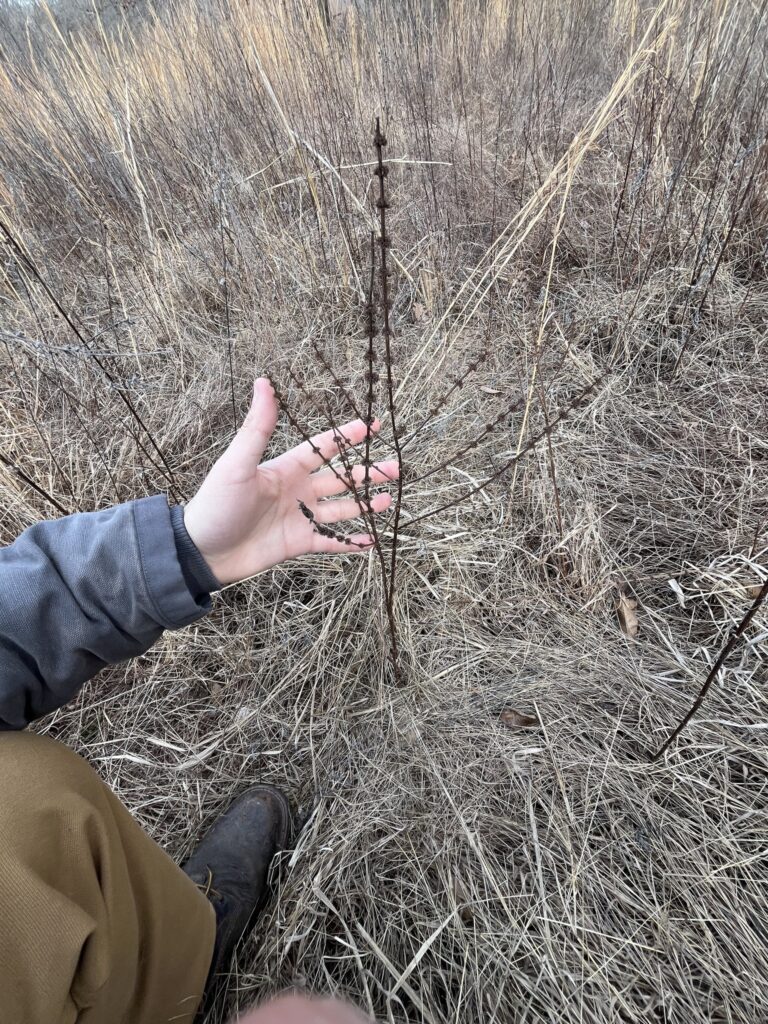
Basic Information
Scientific Name: Lycopus americanus
Plant Family: Lamiaceae
Conservation / Invasive Status: Stable; not threatened
Geographic Range: Eastern North America; New England wetlands and riparian zones
Safety Level: Use with Caution
Harvest Season: Mid-summer to early fall (July-September)
Parts Used: Aerial parts; Whole plant; Fresh herb
Scientific & Botanical Information
Botanical Description
Lycopus americanus, commonly known as American Bugleweed or American Water Horehound, is a perennial herbaceous plant in the mint family (Lamiaceae) typically growing 1-3 feet tall. The plant features a distinctive four-angled, ridged central stem that is either hairless or lightly pubescent, often displaying green or reddish coloration. The opposite leaves are sessile or short-petioled, measuring up to 3 inches long and approximately 3/4 inch across. Lower leaves are characteristically narrowly lobed or pinnatifid at their bases, while upper leaves are coarsely dentate along their margins. Dense axillary whorls of small white or pale pink flowers appear at the nodes where pairs of middle and upper leaves join the stem, distinguishing it from its relative Lycopus europaeus (European Bugleweed). The plant is non-aromatic and typically inhabits wet sites, marshes, and riparian zones throughout eastern North America.
Geographic Distribution and Habitat
American Bugleweed is native to eastern North America, with a distribution extending from Canada south through New England and the Atlantic states into the Appalachian region. In New England specifically, the plant thrives in wetland ecosystems including marshes, swamps, moist meadows, and along streambanks where soil remains consistently moist. It prefers areas with partial shade and good soil moisture, often growing in association with other wetland plants. The species has adapted well to both natural wetlands and disturbed areas where moisture is abundant, making it a common sight in New England’s diverse wetland habitats.
Active Compounds and Phytochemistry
The pharmacological activity of Lycopus americanus derives from a complex array of bioactive compounds. The most significant are the phenolic compounds rosmarinic acid and lithospermic acid, along with the related chlorogenic acid. These compounds exist alongside tannins, terpenoids, flavonoids, and various organic acids that collectively contribute to the plant’s therapeutic effects. Rosmarinic acid, a phenolic compound derived from caffeic acid and found in several other Lamiaceae plants, appears to be a primary active constituent. The oxidation of phenolics to unstable orthoquinones by plant enzymes is required for optimal antithyroid activity, meaning that these compounds remain relatively inactive without enzymatic or oxidative transformation. This chemical requirement has important implications for extraction methods and preparation, as excessive heat or certain extraction solvents may compromise the plant’s bioavailability.
Pharmacological Actions and Mechanisms
American Bugleweed exerts its primary therapeutic actions through multiple physiological pathways. The antithyroid mechanism appears to operate through several concurrent processes: rosmarinic acid slows TSH-driven stimulation of thyroid cells via adenylate cyclase inhibition, effectively reducing thyroid hormone synthesis in cases of hyperthyroidism. Additionally, rosmarinic acid forms molecular “adducts” with TSH, reducing its ability to bind and activate TSH receptors, which may further diminish thyroxine output. In animal studies, Lycopus extract has been shown to reduce elevated heart rate and blood pressure while alleviating cardiac hypertrophy. The nervine properties manifest as mild sedation and anxiolytic effects, with the plant’s force being primarily expended on vascular structures and the sympathetic nervous system. Bugleweed exhibits astringent, diuretic, and mild anti-tussive actions, making it useful in respiratory conditions accompanied by rapid pulse and fever. The herb’s sedative action is most pronounced when excessive circulation is paired with diminished cardiac output, precisely the constellation of symptoms seen in hyperthyroidism.
Safety Considerations and Drug Interactions
American Bugleweed requires cautious use due to its real thyroid-modulating effects. The herb is contraindicated in hypothyroidism (underactive thyroid) and should not be used by individuals with thyroid deficiency. Long-term use or high doses may suppress thyroid function even in euthyroid individuals, necessitating professional guidance for extended treatment. Due to its antithyroid mechanisms, Lycopus americanus should not be combined with thyroid replacement therapy without medical supervision. The herb may potentiate other sedating agents and should be used cautiously in combination with central nervous system depressants. Pregnancy and lactation represent absolute contraindications, as thyroid alterations during these periods pose significant risks to maternal and fetal health. While the herb is generally well-tolerated at appropriate doses, some individuals may experience mild gastrointestinal upset or hypersensitivity reactions. The distinction between Lycopus americanus and the more extensively studied Lycopus europaeus is important; while they share similar active constituents and mechanisms, L. europaeus has more robust clinical documentation regarding thyroid effects.
Growing American Bugleweed in New England
American Bugleweed thrives in New England gardens when provided with consistently moist to wet soil and partial shade. The plant naturally prefers riparian and wetland habitats, so garden placement near a rain garden, bog, or permanently moist area is ideal. Seeds require cold stratification for optimal germination and should be planted in fall or pre-chilled in refrigeration for 4-6 weeks before spring sowing. The plant establishes readily from root divisions collected in spring or fall. Once established, Lycopus americanus requires minimal maintenance beyond ensuring adequate moisture; it tolerates poor soil and will naturalize readily in appropriate wetland settings. The plant is non-invasive in New England contexts, remaining bounded by its ecological niche preferences. Flowering typically occurs from mid-summer through early fall, providing continuous harvesting opportunities through late September.
Pharmacological Actions: Antithyroid; Nervine; Cardiovascular regulator; Mild sedative; Peripheral vasoconstrictor; Diuretic; Astringent
Traditional Herbalism Information
Energetics and Herbal Actions
In traditional herbalism, American Bugleweed is classified as a cooling, moistening herb with nervine, cardiac, and antithyroid properties. Its energetic signature aligns with water element qualities: fluid, calming, and emotionally integrating. The plant addresses the zone of excessive fire in the thyroid and cardiovascular systems, characterized by overstimulation, rapid pulse, and nervous excitability. Herbalists describe bugleweed as particularly suited to individuals with what 19th-century practitioners termed “evident want of heart-energy with quickened velocity”–a constitutional pattern of physical restlessness coupled with cardiac strain. The herb’s nervine action makes it valuable for anxiety conditions that manifest in the physical body as palpitations, tremor, and insomnia. Unlike stimulating nervines, bugleweed acts as a depressant to excessive sympathetic nervous system firing, creating a state of ease rather than invigoration.
Parts Used and Traditional Harvesting
The aerial parts are harvested during peak flowering in mid to late summer, typically from July through September. Traditional harvesters collected the entire above-ground plant, cutting it at 6 inches from the ground to allow for regrowth and sustainability. The fresh herb was traditionally preferred over dried material in herbalism, as the alcohol extraction in tincture form most effectively captures the phenolic compounds responsible for thyroid and pituitary modulation. Historical herbalists noted that hot water extraction might damage some of the compounds critical for antithyroid activity, leading to a preference for fresh plant tinctures. For modern practitioners, the fresh plant in June through early fall offers the most potent preparation window, with flowers and upper leaves containing the highest concentration of active constituents.
Traditional and Historical Uses
American Bugleweed has been used by herbalists for over two centuries, particularly in the treatment of Graves’ disease–an autoimmune hyperthyroid condition characterized by excessive thyroid hormone production. Early American herbalists documented the plant’s effectiveness for heart palpitations accompanied by anxiety, noting its particular value in “febrile conditions with nervous excitement and rapid pulse.” The herb appears in 19th-century herbal materia medicas as a remedy for consumption and chronic cough, particularly when accompanied by elevated pulse and fever. Traditional herbalists recommended bugleweed for insomnia arising from nervous exhaustion and cardiac overstimulation. Women’s herbalism traditions incorporated Lycopus americanus as an emmenagogue and for menopausal heat conditions combined with palpitations. In Appalachian folk medicine, the plant was valued as a nervine and was prepared as a tea for anxiety conditions and irregular heartbeat. European herbalists working with the related Lycopus europaeus documented similar uses, establishing the antithyroid reputation of the genus.
Preparations and Traditional Dosage
Fresh plant tincture represents the traditional preparation of choice, prepared with fresh flowering aerial parts macerated in organic alcohol (40-50% ABV) for 2-4 weeks, then strained and pressed. Traditional dosing called for 1-2 ml (approximately 30-40 drops) of the tincture, taken 1-3 times daily in a small amount of water. Some practitioners recommended up to 2 ml per dose taken three times daily under professional supervision. For dried plant infusions, 1-2 teaspoons of dried aerial parts were steeped in 8 oz. of hot water for 10-15 minutes, taken 1-2 times daily. Some traditional herbalists prepared cold infusions from the fresh plant, believing this method better preserved the delicate phenolic compounds. Tincture bottles were traditionally kept in cool, dark locations to preserve potency, with a shelf life of 3-5 years for properly prepared extracts. Encapsulated dried herb powders were less favored traditionally but occasionally used at 300-600 mg doses, 1-3 times daily. Traditional herbalists emphasized that bugleweed should always be used under professional guidance, never as a self-directed treatment for thyroid conditions.
Modern Adaptations and Herbal Practice
Contemporary herbalists continue to value American Bugleweed particularly for hyperthyroidism accompanied by anxiety, palpitations, and insomnia. Modern clinical herbalism has refined dosing protocols based on historical practice and contemporary quality control standards. Contemporary practitioners often combine Lycopus americanus with lemon balm (Melissa officinalis), passionflower (Passiflora spp.), and motherwort (Leonurus cardiaca) to create comprehensive nervous system and cardiovascular support for hyperthyroid conditions. Some herbalists utilize standardized tinctures of fresh plant material, which provide more consistent dosing than traditional preparations. Modern adaptogens are sometimes combined with bugleweed when adrenal support is needed alongside thyroid modulation. Contemporary research has validated traditional use patterns, particularly the antithyroid mechanisms described by 19th-century herbalists. Modern herbal schools recommend continuous practitioner oversight when using bugleweed, as thyroid conditions require professional monitoring regardless of herbal intervention.
New England-Specific Cultivation and Harvesting
New England herbalists enjoy the advantage of native Lycopus americanus populations, which can be sustainably harvested from wild wetlands with appropriate permissions and conservation practices. The plant’s preference for the region’s abundant wetland ecosystems makes it an ideal local medicinal plant for New England herbal practitioners. Mid-summer and early fall represent optimal harvest windows when the plant has reached full flowering and the above-ground biomass is maximum. Practitioners often cultivate the plant in rain gardens and bioswales, recognizing its value both as medicine and as ecological support for wetland restoration. New England’s consistent moisture and cool growing season provide ideal conditions for maintaining the plant’s potency and vigor. Local herbalists note that Lycopus americanus from New England wetlands often displays particularly robust growth, suggesting favorable growing conditions that may enhance phytochemical content.
Sourcing and Ethical Harvesting
Sustainable harvest of wild American Bugleweed requires careful attention to population impacts and ecosystem health. Traditional practices call for harvesting no more than one-third of any given population, allowing adequate regrowth and seed production for population maintenance. Practitioners are urged to identify populations before the peak harvest season, assess their size and vigor, and develop multi-year harvest plans that ensure population stability. Many New England herbalists prefer to cultivate Lycopus americanus in wetland restoration projects and home medicinal gardens rather than depending entirely on wild populations. When purchasing dried Lycopus americanus, sourcing from ethical wild-harvesting operations or small-scale cultivators ensures both quality control and ecological integrity. The distinction between Lycopus americanus and Lycopus europaeus is important for ethical sourcing, as some suppliers may inadvertently mislabel European species as American. Direct relationships with regional herbalists and growers provide assurance of accurate identification and ethical practices.
Traditional Uses: Hyperthyroidism; Heart palpitations; Anxiety; Tachycardia; Tremor; Insomnia; Nervous excitement
Magical Correspondences Information
Planetary and Elemental Associations
American Bugleweed is traditionally associated with the Moon, the celestial body governing emotions, intuition, water, and the subconscious mind. Its rulership by the Moon reflects its cooling, calming properties and its affinity for wetland habitats where water is dominant. In classical herbalism, lunar herbs are feminine in polarity and are valued for their receptive, introspective qualities. The Water element association reinforces its use in emotional and psychic work, as water represents the realm of feeling, flow, and adaptation. Moon-ruled herbs are traditionally gathered during waning moon phases when their introspective and protective energies are most potent. American Bugleweed’s habitat in darkness-dwelling wetland ecosystems further supports its lunar correspondence, as does its pale white to pink flowering and its nocturnal blooming patterns. In modern magical herbalism, practitioners often align bugleweed use with lunar phases, employing it during waning moons for release of anxiety and excessive worry.
Magical Properties and Witchcraft Traditions
In contemporary pagan herbalism, American Bugleweed is valued as a plant of emotional protection and psychic calm. Its primary magical intention is the grounding and soothing of excessive nervous energy, particularly anxiety rooted in intuitive or psychic sensitivity. The herb is incorporated into protective sachets and charms designed to shield sensitive individuals from psychic overwhelm and emotional exhaustion. Bugleweed is used in heart-opening work, facilitating emotional expression and vulnerability while simultaneously providing the nervous system support necessary to feel safe during such opening. In witchcraft traditions emphasizing emotional regulation, the herb appears in anxiety-release rituals and in moon water preparations intended to quiet racing thoughts. The plant’s association with both the Moon and Water makes it particularly valuable in emotional clearing work and in rituals designed to process grief or emotional wounds. Some practitioners incorporate dried American Bugleweed into pillows or sleep sachets to facilitate gentle dreams and to calm nocturnal anxiety. In sex magic and tantric herbalism, bugleweed is occasionally used to calm performance anxiety while maintaining conscious presence and connection.
Historical Lore and Traditional Magic
Historical records of American Bugleweed in European folk magic are limited, though the related genus Lycopus appears in medieval herbals as a plant of sedation and protective virtue. European herbalists recognized bugleweed’s ability to calm “excessive spirits” and to protect against maleficium. Historical texts suggest that bugleweed was valued in protective amulets and was worn as a charm against psychic harm and ill-wishing. In Appalachian folk magic, local knowledge holders incorporated Lycopus americanus into anxiety-relief workings and into protective bundles meant to create emotional sanctuary. The plant appears to have been associated with women’s magic, particularly in traditions addressing the emotional turmoil of menopausal transitions. Some historical references suggest that bugleweed was used in binding spells to contain excessive nervous energy or emotional reactivity, reflecting its physiological capacity to moderate sympathetic nervous system activation.
Working in Contemporary Practice
Contemporary magical practitioners typically work with American Bugleweed as a tincture or dried herb in tea preparations, using the internal consumption as the primary magical vector. The herb is used in meditation and ritual spaces to calm anticipatory anxiety and to facilitate deeper introspective work. Moon water infusions made with dried bugleweed are used for emotional cleansing and for magical work addressing heart-centered concerns. In modern magical practice, bugleweed frequently appears in anxiety-release rituals conducted during the waning moon, when its capacity to diminish excessive nervous energy aligns with the lunar phase of decrease and release. The herb is incorporated into self-care and nourishment magic, where the act of consuming bugleweed tea becomes a ritual of self-soothing and emotional alignment. Some practitioners create herbal bundles combining bugleweed with other moon-ruled plants like mugwort (Artemisia vulgaris) and passionflower (Passiflora spp.) for comprehensive anxiety and insomnia work.
Timing and Lunar Phases
Harvest of American Bugleweed for magical purposes is most potent during the waning moon, particularly in the three nights before the new moon when lunar power is descending. This timing aligns with the herb’s capacity to release, calm, and diminish excessive nervous activation. Magical workings employing bugleweed are traditionally initiated during waning moon phases and often culminate at the dark moon or during the first dark night. Some practitioners prepare bugleweed tinctures beginning at the full moon and completing them at the new moon, capturing the lunar cycle’s full descent. For emotional work and anxiety resolution, practitioners typically begin bugleweed consumption during the waning moon, continuing for at least a lunar month to allow the herb’s subtle magical influence to deepen integration. Rituals designed to protect against emotional overwhelm or psychic sensitivity are performed during the waning moon when protective energy is strongest.
Herbal Combinations and Synergy
American Bugleweed combines powerfully with other Moon and Water-ruled herbs to create comprehensive emotional and nervous system support. Historically, it has been paired with lemon balm (Melissa officinalis) for anxiety with racing thoughts, and with passionflower (Passiflora spp.) for insomnia and heart palpitations. In magical work, bugleweed combines well with mugwort (Artemisia vulgaris) for anxiety-release rituals and with motherwort (Leonurus cardiaca) for heart-centered emotional work. When combined with hawthorn berry (Crataegus spp.), bugleweed provides both nervous system calm and cardiovascular support with profound magical resonance for heart healing. Some practitioners combine dried bugleweed with rose petals, lavender, and chamomile for comprehensive emotional soothing magic. In modern herbal ritualism, bugleweed is often included in “moon brews” that combine multiple lunar herbs for integrated nervous system and emotional support.
Cautions and Contraindications in Magical Practice
The powerful thyroid-regulating effects of American Bugleweed mean that magical practitioners must recognize the herb’s capacity to genuinely shift physiology, not merely consciousness. This herb should never be used casually or without clear intention, as even magical work carries physiological consequence. Individuals with hypothyroidism must completely avoid American Bugleweed in any form, whether consumed internally or used in magical preparations. Pregnant and nursing practitioners should avoid this herb entirely, honoring its real effects on thyroid and hormonal systems. The herb’s power to calm and diminish should not be used in magic designed to suppress authentic expression, healthy anger, or necessary boundary-setting; its use should be reserved for genuine anxiety reduction and nervous system support. Some practitioners caution against using bugleweed in magic intended to control others’ emotions or behavior, preferring to reserve its use for consensual personal work. The distinction between “use with caution” and “avoid entirely” is important: practitioners with intact thyroid function can work with bugleweed wisely under professional guidance, while those with thyroid dysfunction must respect complete avoidance.
Planetary Rulers: Moon
Magical Intentions: Calming anxiety; Heart medicine; Emotional regulation; Sleep support; Nervous system ease
Elemental Associations: Water
1. Restorative Medicine. (2023). Bugleweed (Lycopus virginicus). Retrieved from https://restorativemedicine.org/library/monographs/bugleweed/
2. WebMD. (2023). Bugleweed: Overview, Uses, Side Effects, Precautions, Interactions, Dosing and Reviews. Retrieved from https://www.webmd.com/vitamins/ai/ingredientmono-147/bugleweed
3. Minnesota Wildflowers. Lycopus americanus (American Water Horehound). Retrieved from https://www.minnesotawildflowers.info/flower/american-water-horehound
4. Flora of Pennsylvania. American Bugleweed – Lycopus americanus. Retrieved from https://www.paenflowered.org/apgii/lamiales/lamiaceae/lycopus/lycopus-americanus
5. Medicinal Net. (2023). Lycopus: Medicinal Uses, Side Effects, Dosage. Retrieved from https://www.medicinenet.com/lycopus/article.htm
6. Gabel et al. (2008). Extract of Lycopus europaeus L. reduces cardiac signs of hyperthyroidism in rats. Planta Medica, 72(13), 1103-1109. https://pubmed.ncbi.nlm.nih.gov/16150466/
7. Volp et al. (2007). Lycopus europaeus (Gypsywort): Effects on the thyroidal parameters and symptoms associated with thyroid function. Phytomedicine, 15(6-7), 454-460. https://pubmed.ncbi.nlm.nih.gov/18083505/
8. HerbRally. Bugleweed Monograph. Retrieved from https://www.herbrally.com/monographs/bugleweed/
9. Christopher Hobbs, Ph.D. (2023). Herbal Therapeutics Database: Bugleweed. Retrieved from https://christopherhobbs.com/herbal-therapeutics-database/herb/bugleweed/
10. Herbal Reality. (2023). Bugleweed (Lycopus europaeus): Benefits, Safety, Uses. Retrieved from https://www.herbalreality.com/herb/bugleweed/