Annual Fleabane
Basic Information
Scientific Name: Erigeron annuus
Plant Family: Asteraceae
Conservation / Invasive Status: Least Concern
Geographic Range: Eastern North America, Northeast US, Northern New England
Safety Level: Generally Safe
Harvest Season: Fall, Summer
Parts Used: Aerial Parts, Flowers, Leaves
Scientific & Botanical Information
Botanical Description
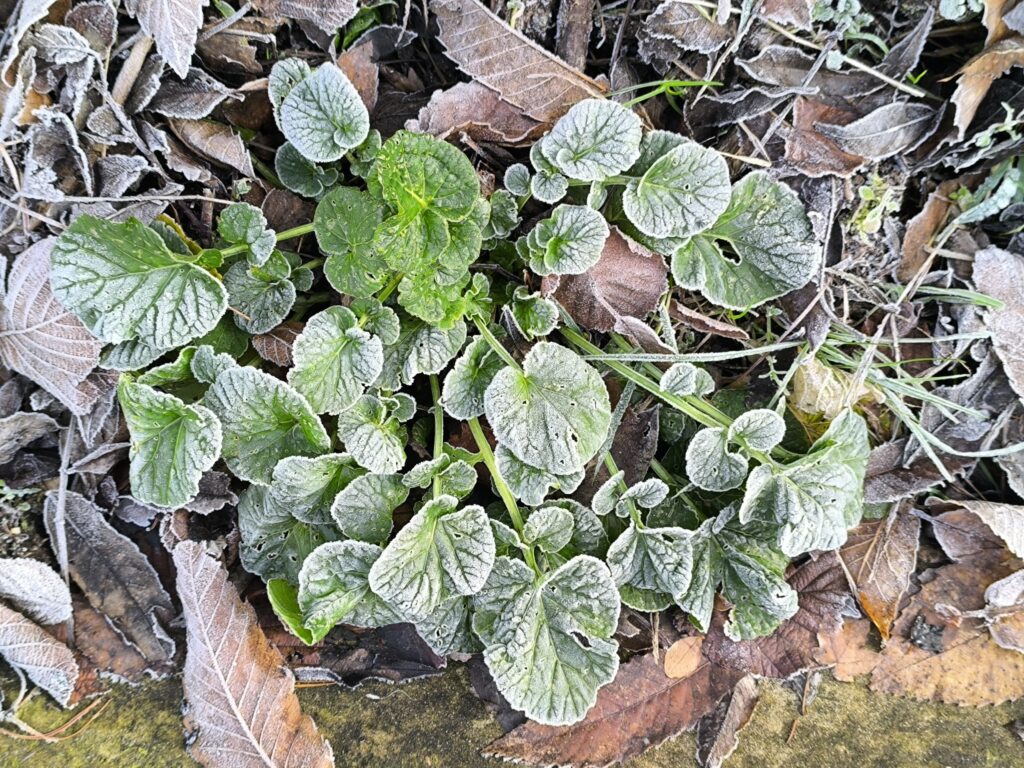
Erigeron annuus, commonly known as Annual Fleabane or Daisy Fleabane, is an annual or winter-annual herbaceous plant in the Asteraceae (daisy/sunflower) family. The plant typically grows 30-60 centimeters (1-2 feet) tall, though individuals in favorable conditions may reach 3 feet. The plant features a characteristic simple or branching stem with narrow, lanceolate to oblanceolate leaves that are pubescent (hairy) and arranged alternately along the stem. The flowers are small daisy-like heads measuring approximately 0.5-0.75 inches in diameter, with white, pale pink, or lavender-colored ray florets surrounding a yellow center disk. The ray flowers are very fine and numerous (often more than 100 per flower head), creating a delicate, thread-like appearance that distinguishes E. annuus from broader-rayed relatives. The plant flowers prolifically, producing numerous flower heads from mid-summer through fall. The entire plant, particularly the leaves and stems, is notably aromatic when brushed or crushed, releasing a distinctive strong scent.
Geographic Distribution and Habitat in New England
Erigeron annuus is native to eastern North America, with its native range extending from eastern Canada southward through the United States east of the Mississippi River. The species is particularly abundant throughout New England, where it is one of the most common roadside and meadow weeds. The plant thrives in disturbed habitats including roadsides, pastures, meadows, field margins, and cultivated areas where soil has been recently tilled or compacted. The plant shows particular affinity for well-drained to moderately moist soils in full sun to part-sun locations. Erigeron annuus is valued ecologically as an early colonizer of disturbed ground, helping to prevent erosion and begin soil stabilization and ecological succession. The plant is not invasive in the traditional sense, remaining bounded by its ecological preferences and not aggressively displacing native vegetation in stable ecosystems.
Phytochemistry and Active Compounds
Comprehensive phytochemical analysis has revealed that Erigeron annuus contains a remarkable diversity of bioactive compounds. Twenty distinct monoterpenoids, fifty-nine sesquiterpenoids, and eleven polyacetylenic compounds have been identified in various parts of the plant, representing one of the most chemically complex weed species. Monoterpenes, the smallest terpene compounds, are particularly abundant and are responsible for the plant’s characteristic aromatic profile when crushed. Sesquiterpenoids contribute additional antimicrobial and anti-inflammatory activity. The plant additionally contains flavonoids, coumarins, and various phenolic compounds. The essential oil of E. annuus flowers demonstrates significant chemical variability depending on growth conditions, harvest timing, and geographic origin, with matricaria ester and lachnophyllum ester accounting for up to 69.3% of the essential oil in some populations, along with various mono- and sesquiterpenoid minor constituents. This phytochemical complexity underlies the plant’s diverse pharmacological properties documented in both traditional herbalism and contemporary research.
Pharmacological Actions and Antimicrobial Properties
Scientific research has documented significant antimicrobial activity for Erigeron annuus, validating traditional uses for wound healing and infection prevention. The essential oil exhibits free radical scavenging activity, with ABTS and DPPH antioxidant capacity reaching 98.6% and 48.3%, respectively, at concentrations of 500 μg/mL. Antibacterial testing demonstrates excellent activity against Staphylococcus aureus with minimum inhibitory concentration (MIC) values of 0.31 mg/mL and creating clear zones of 14 mm inhibition, and activity against Propionibacterium acnes with MIC and minimum bactericidal concentration (MBC) values of 0.31 and 0.63 mg/mL respectively. The plant demonstrates good antibacterial activity against Aeromonas hydrophila, Klebsiella pneumoniae, and Bacillus subtilis. Antifungal testing shows significant inhibition of mycelial growth in Fusarium oxysporum, Helminthosporium maydis, Rhizoctonia solani, Alternaria solani, and Sclerotinia sclerotiorum, with growth inhibition ranging from 37.6-85.5%. Root extracts have demonstrated specific anti-inflammatory activity through suppression of NF-κB-associated nitric oxide and prostaglandin E2 production in LPS-stimulated macrophages, supporting traditional uses for inflammatory conditions.
Traditional and Ethnobotanical Uses
Erigeron annuus has been utilized by indigenous North American peoples for centuries, with documented uses including treatment of hemorrhaging, stomach upset, respiratory issues, bladder problems, and as a women’s herb. In European folk medicine traditions, common fleabane (a closely related species, Erigeron canadensis) earned the traditional name “blood-stanch” reflecting its use in arresting both internal and external bleeding. Common fleabane was brewed into teas to treat diarrhea, kidney problems, and fevers, and was applied topically to stop bleeding from wounds and nosebleeds. The “bane” in fleabane reflects the plant’s historical use as a pesticide, with dried flowers and stems placed in mattress stuffing, brooms, and around homes to repel fleas–a traditional pest control method predating synthetic insecticides. In Traditional Chinese Medicine, E. annuus is widely used in formulations to treat indigestion, enteritis, epidemic hepatitis, diabetes, hematuria, malaria, and obesity.
Safety and Contemporary Considerations
Erigeron annuus demonstrates no documented toxicity or contraindications, supporting its “Generally Safe” classification. The plant has a long history of human use as food and medicine, with no reports of systemic toxicity from reasonable consumption. Some individuals may experience contact dermatitis from handling the hairy aerial parts, though this is not true toxicity but rather a mechanical irritation response. The plant’s abundant volatile oils mean that sensitive individuals may experience mild respiratory irritation from inhalation of dried plant dust. However, these represent minor considerations rather than systemic safety concerns. The plant is suitable for use by most individuals including pregnant and nursing persons when used in reasonable amounts, though professional guidance is advisable for medicinal applications during these periods, consistent with conservative herbalism principles.
Ecology and New England Management
Erigeron annuus thrives throughout New England’s diverse ecological zones, from coastal areas to mountains, and from disturbed roadside margins to semi-stable meadow ecosystems. The plant’s role as an early colonizer of disturbed ground supports ecological succession and soil stabilization. The plant’s abundant flowers provide important late-season pollen and nectar for pollinators, particularly as many other nectar sources are declining in late summer and fall. The plant is neither invasive nor ecologically problematic in New England contexts, remaining naturally bounded in distribution. Sustainable harvesting of E. annuus from wild populations poses no ecological concern given the plant’s abundance.
Pharmacological Actions: Anti-inflammatory, Antimicrobial, Antioxidant, Astringent
Traditional Herbalism Information
Traditional Herbal Classification and Energetics
In traditional herbalism, Erigeron annuus is classified as a cooling, drying herb with astringent, antimicrobial, and weakly diuretic properties. The herb’s affinity for clearing heat and drying damp conditions aligns it with constitutional patterns involving inflammation, excessive moisture, and pathogenic organism proliferation. The plant’s aromatic, volatile qualities suggest affinity for air and clearing stagnation. In traditional Chinese medical frameworks, the plant is recognized as clearing heat, resolving toxicity, and promoting urinary function–a profile consistent with its use for inflammatory and infectious conditions. The herb’s traditional reputation for pest prevention extends metaphorically to clearing unwanted influences on multiple levels–physical (parasites, pathogens), emotional (stagnant thought patterns), and energetic (psychic intrusion).
Parts Used and Traditional Harvesting
The entire aerial plant is used medicinally, harvested after flowering has begun but while the plant retains vigor, typically from mid-summer through early fall. Traditional harvesters collected the entire above-ground plant by cutting it at 6 inches from the ground, allowing for regrowth and seed production. The plant is traditionally dried by hanging bundles in shaded, well-ventilated spaces, preserving the volatile oils that contribute to the plant’s medicinal activity. Both dried whole plant material and isolated flowers have been used in traditional preparations. The aromatic volatile oils that make the plant distinctive are best preserved through careful drying and storage in glass containers away from light and heat.
Traditional Uses and Historical Applications
Documentation of Annual Fleabane use in indigenous North American traditions indicates use for hemorrhaging, digestive complaints, respiratory issues, and women’s health. European folk herbalism traditions, working primarily with the related Erigeron canadensis but likely applying similar knowledge to E. annuus, extensively documented the herb’s use for bleeding and hemorrhage, earning it the traditional name “blood-stanch.” The herb was traditionally brewed into teas for addressing diarrhea, dysentery, kidney problems, and fevers. Topical applications included poultices and washes for wound healing and to arrest bleeding from cuts and nosebleeds. The historical pest-prevention use reflects practical wisdom about the plant’s essential oils and their repellent effects on parasitic arthropods. Women’s herbalism traditions incorporated the herb for menstrual regulation and for addressing women-specific health concerns, reflecting recognition of the plant’s astringent and hormone-modulating properties.
Preparations and Traditional Dosage
Traditional preparations of Erigeron annuus included hot infusions of dried aerial parts, with typical dosing calling for 1-2 teaspoons of dried herb steeped in 8 oz of hot water for 10-15 minutes, taken 2-3 times daily. Tinctures of fresh or dried plant material in alcohol (25-40% ABV) were prepared by macerating the plant for 2-4 weeks, then straining and pressing; tincture dosing traditionally ranged from 20-40 drops (1-2 ml), taken 2-3 times daily in water. For topical wound healing and bleeding arrest, fresh juice or concentrated infusions were applied directly to wounds or used in compresses. Some traditional herbalists prepared an essential oil extraction through gentle heat or solvent methods, though such preparations required careful handling due to the oils’ volatility. The plant could also be dried and encapsulated at approximately 300-600 mg per capsule, taken 1-3 times daily, though this was a less traditional preparation method.
Modern Herbalism and Contemporary Applications
Contemporary herbalists have revisited Annual Fleabane as the plant’s antimicrobial properties have been validated through modern phytochemical research. The herb appears in contemporary formulations for addressing bacterial and fungal infections, supporting immune function, and promoting wound healing. Modern practitioners recognize the plant as particularly valuable for addressing diarrhea and dysentery, with the astringent and antimicrobial properties working synergistically. Some herbalists incorporate the plant into respiratory support formulations, particularly for conditions involving microbial overgrowth or inflammation. The plant’s documented anti-inflammatory activity has led to inclusion in contemporary protocols addressing inflammatory conditions. Modern herbal schools note the plant’s traditional reputation and growing scientific validation, encouraging practitioners to reconsider this common weed as a valuable medicinal ally.
New England-Specific Herbalism and Harvesting
New England herbalists enjoy abundant access to native Erigeron annuus populations, making the plant an ideal candidate for bioregional herbalism and local materia medica development. The plant’s presence as a common roadside and meadow weed means that sustainable harvesting requires minimal effort. Many New England herbalists are beginning to cultivate the plant in dedicated medicinal gardens, recognizing its value both as medicine and as a valuable pollinator support plant for late summer and fall. Local herbalists are experimenting with fresh plant preparations, recognizing that the plant’s volatile oils may be better preserved through tincturing fresh material rather than drying. The plant’s accessibility and productivity make it an ideal teaching plant for herbalism education and for developing personal herbal knowledge.
Sourcing and Ethical Practices
Erigeron annuus is ideally sourced through personal or community harvesting from wild populations, as the plant’s abundance and lack of vulnerability makes wild harvesting sustainable and ecologically appropriate. The plant’s role as an early colonizer and pioneer species means that harvesting actually supports ecological succession and creates space for additional botanical diversity. Herbalists are encouraged to harvest mindfully, taking plant material in ways that allow for seed production and continued population presence. Home cultivation is straightforward–the plant self-seeds readily, allowing for ongoing access without annual planting. Dried plant material and essential oils are available from herbal suppliers, though quality control and source verification require attention to ensure authentic species identification and appropriate processing methods.
Traditional Uses: Anti-inflammatory, Digestive Support, Diuretic, Wound Healing
Magical Correspondences Information
Mercury Planetary Rulership and Air Element Association
Annual Fleabane is traditionally associated with Mercury, the planet governing communication, clarity, discernment, and intellectual function. In classical herbalism, Mercury-ruled plants are said to facilitate mental clarity, enhance communication, and support the movement of stagnant energy. The Air element association reinforces these qualities, linking the plant to realms of thought, communication, and the rapid movement of ideas and information. Mercury’s association with medicine and healing supports the plant’s traditional medicinal applications. The plant’s volatile aromatic oils and rapid-moving, delicate flowers embody the quick, changeable, and intellectually oriented qualities of Mercury rulership. In contemporary herbalism, Mercury-ruled plants are valued for their ability to clear mental fog, enhance focus, and facilitate clear communication.
Pest Clearing and Protective Magic
The traditional use of Annual Fleabane as a pest repellent–with dried flowers and stems placed in mattresses, brooms, and around homes to repel fleas–has imbued the plant with protective and clearing magical associations. In contemporary witchcraft, E. annuus is valued for magic designed to clear unwanted presences, whether physical (pests, pathogens) or energetic (psychic parasites, unwanted influences). The plant is incorporated into protective sachets and home blessing work designed to establish boundaries and repel intrusion. Some practitioners use dried fleabane in smoke or incense form for space clearing and psychic cleansing. The plant’s traditional role as a pest preventer becomes metaphorically extended to clearing any unwanted or parasitic energies from body, home, or energy field.
Clarity and Mental Clarity Magic
Mercury’s association with clear thinking and Erigeron annuus‘s traditionally documented use in addressing cognitive and digestive clarity make the plant valuable for magic designed to clarify confusion, enhance focus, and support clear thinking. The plant is incorporated into study or academic success magic, particularly when mental clarity and quick learning are needed. Some practitioners create herbal infusions or tinctures for use during intellectual or creative work requiring focused attention. The volatile, quick-moving nature of the plant’s essential oils makes it particularly suited to work requiring rapid processing of information and quick mental response.
Elemental Air Correspondence and Wind Magic
The Air element association of Annual Fleabane aligns it with wind magic, communication magic, and work addressing stagnation and blockages. The plant’s feathery, delicate flowers are said to embody air element qualities, and some practitioners incorporate dried flowers into wind-based rituals or into magic designed to “blow away” obstacles and clear paths. The plant’s aromatic qualities make it particularly suitable for incense work and smoke-based clearing rituals. Some practitioners value the plant for facilitating messages traveling on the wind and for supporting communication across distance.
Contemporary Magical Practice and Applications
In contemporary witchcraft and green magic, Erigeron annuus is valued as a practical, humble plant ally supporting everyday protective and clearing work. The plant is used in home blessing rituals, particularly those designed to establish boundaries and repel unwanted visitors or influences. Dried bundles are hung above doorways or placed in windows for continuous protective effect. The plant is incorporated into personal protective amulets and into magical work supporting clarity and mental function. Some practitioners create ritual baths using the dried herb to support energetic cleansing and renewal. The plant’s accessibility and affordability make it valuable for practitioners developing personal magical practice without reliance on exotic or expensive materials.
Timing and Seasonal Considerations
Erigeron annuus is harvested for magical purposes at peak flowering in mid to late summer, when the plant’s aerial energy is strongest. The late-summer and early-fall harvest timing aligns the plant with the waning solar year and the transition toward autumn, making it particularly potent for clearing, protective, and boundary-setting work associated with the season’s energy of preparation and protection. Mercury’s association with the morning and early intellectual clarity suggests harvesting in early morning hours when dew still clings to the delicate flowers, as the plant’s volatile oils are most potent in these conditions.
Herbal Combinations in Magical Work
Annual Fleabane combines powerfully with other protective and clearing herbs including rosemary (Rosmarinus officinalis), sage (Salvia officinalis), and mugwort (Artemisia vulgaris) for comprehensive home and personal protection magic. In clarity and focus work, the plant pairs well with other Mercury-ruled herbs including dill (Anethum graveolens) and lavender (Lavandula officinalis). In elemental air magic, the plant combines with other air-associated plants including yarrow (Achillea millefolium) and fennel (Foeniculum vulgare) for enhanced wind and air element work.
Practical and Honest Magical Application
The honest practitioner recognizes that Annual Fleabane’s magical efficacy is grounded in practical, real effects: the plant’s essential oils genuinely repel insects, its antimicrobial compounds genuinely address pathogenic organisms, and these literal, practical functions become the foundation for extended magical applications. The plant’s “power” is not mysterious or exotic but rather lies in honest, observable effects working at both physical and energetic levels. Contemporary practitioners are encouraged to work with the plant in ways honoring both its documented pharmacological properties and its metaphorical and magical correspondences. The plant’s status as a common weed should not be mistaken for lack of power; rather, the plant’s accessibility and humble presence embody a form of democratic magic available to all practitioners regardless of resource availability.
Planetary Rulers: Mercury
Magical Intentions: Banishing, Clarity, Protection, Purification
Elemental Associations: Air
1. Go Botany. (2023). Erigeron annuus (annual fleabane). Retrieved from https://gobotany.nativeplanttrust.org/species/erigeron/annuus/
2. MDPI. (2024). Compositional Variability of Essential Oils and Their Bioactivity in Native and Invasive Erigeron Species. Molecules, 30(14), 2989. Retrieved from https://www.mdpi.com/1420-3049/30/14/2989
3. PubMed. (2023). Phytochemistry and biological activity of Erigeron annuus (L.) Pers. Naunyn-Schmiedeberg’s Archives of Pharmacology. Retrieved from https://pubmed.ncbi.nlm.nih.gov/37178275/
4. PubMed Central. (2015). Roots of Erigeron annuus Attenuate Acute Inflammation as Mediated with the Inhibition of NF-κB-Associated Nitric Oxide and Prostaglandin E2 Production. Retrieved from https://pmc.ncbi.nlm.nih.gov/articles/PMC3595701/
5. ScienceDirect. (2013). Chemical composition and antifungal activity of essential oils from three Himalayan Erigeron species. Retrieved from https://www.sciencedirect.com/science/article/pii/S0023643813004787
6. Korea Science. (2016). Antioxidant, Antimicrobial and Anti-inflammatory Activities of Essential Oil from Erigeron annuus L. Flower. Journal of the Korean Applied Science and Technology. Retrieved from https://koreascience.or.kr/article/JAKO201610958966660.page
7. The Belmont Rooster. (2023). Erigeron annuus (Annual Fleabane). Retrieved from https://thebelmontrooster.com/families-of-familiar-plants/asteraceae-compositae-family/erigeron-annuus-annual-fleabane/
8. Eclectic School of Herbal Medicine. (2023). Fleabane Monograph. Retrieved from https://eclecticschoolofherbalmedicine.com/fleabane-monograph/
9. Edible Wild Food. (2023). Daisy Fleabane: Pictures, Flowers, Leaves & Identification. Retrieved from https://www.ediblewildfood.com/daisy-fleabane.aspx
10. PFAF Database. (2023). Erigeron annuus Annual Fleabane, Eastern daisy fleabane. Retrieved from https://pfaf.org/user/Plant.aspx?LatinName=Erigeron+annuus