Bluntleaf Sandwort
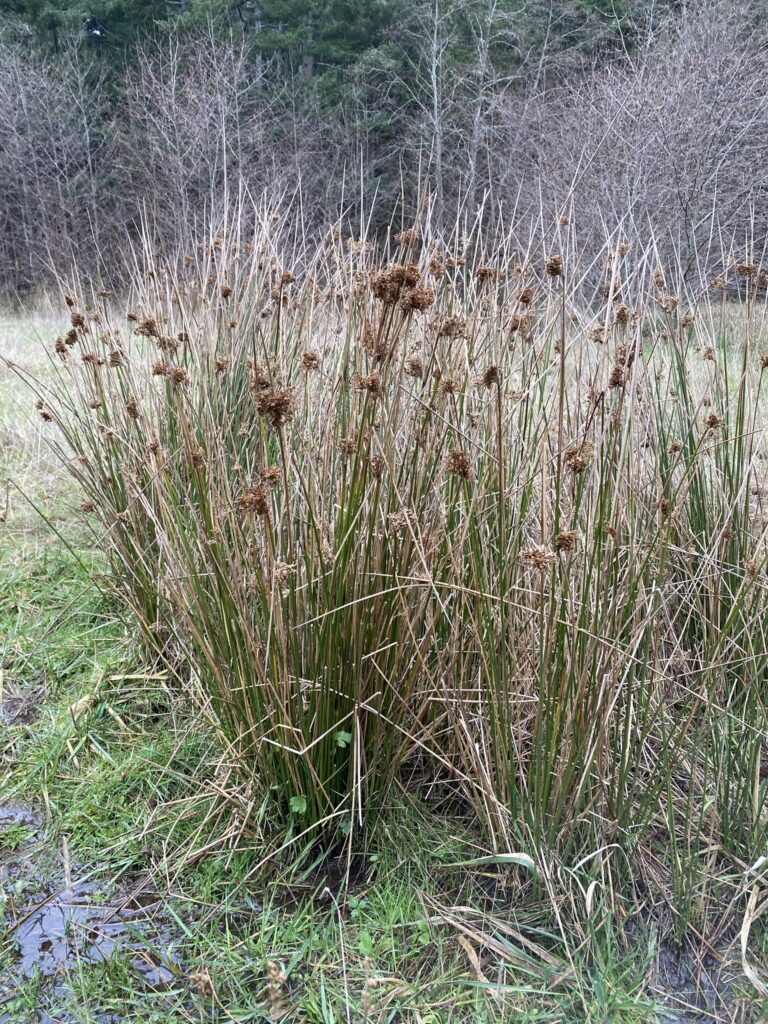
Basic Information
Scientific Name: Moehringia lateriflora
Plant Family: Caryophyllaceae
Conservation / Invasive Status: Least Concern
Safety Level: Generally Safe
Scientific & Botanical Information
Active Compounds
Bluntleaf sandwort is essentially undocumented in phytochemical literature. No peer-reviewed studies characterizing its chemical composition exist. The plant belongs to Caryophyllaceae family, members of which typically contain saponins, flavonoids, and alkaloids in variable concentrations, but M. lateriflora has not been analyzed. The species’ modest size, limited abundance, and lack of traditional use mean it has escaped the attention of phytochemical researchers. Any speculation about its chemical constituents would be extrapolation from family-level characteristics rather than species-specific knowledge.
What Science Shows
No pharmacological, toxicological, or ethnobotanical research exists for Moehringia lateriflora. The species is not mentioned in medicinal plant databases, herbals, or pharmacological literature. No traditional use documentation, ethnobotanical accounts, or contemporary herbalist applications are recorded. The plant exists primarily as a botanical and ecological specimen rather than a subject of medical or phytochemical research. This represents an honest acknowledgment that some plants simply remain scientifically unstudied. The absence of research reflects the plant’s ecological marginality and lack of cultural significance as a medicinal resource rather than any inherent property.
Growing in New England
Moehringia lateriflora is native to New England in small, scattered populations in moist woodlands, often in rocky or sandy soils. It is a delicate herbaceous plant, typically 6-12 inches tall, with small opposite leaves and minute white flowers. The plant is easily overlooked in its woodland habitat. It prefers shade and moist soil conditions, occurring in mixed hardwood and coniferous forests. The species is not rare but is uncommon and inconspicuous. It reproduces by seed, with small fruits maturing in summer. The plant’s ecological niche appears specialized, limiting its distribution to specific forest conditions.
Safety & Interactions
The safety profile is essentially unknown due to the complete absence of pharmacological or toxicological documentation. No data exists regarding consumption, preparation, or potential toxicity. Given the plant’s lack of traditional use and the absence of any available research, it is not recommended for internal consumption without significant further study. The presence of Caryophyllaceae family saponins would be speculative. The plant should be treated with caution and not used medicinally without first-hand knowledge and expert guidance. No recommendations can be made regarding safety, dosage, or interactions.
New England Specific
Bluntleaf sandwort’s scattered distribution throughout New England woodlands makes it a native but inconspicuous element of the regional flora. It is neither commonly harvested nor culturally significant. Contemporary foragers and herbalists are largely unaware of the species. Its presence in healthy forest ecosystems suggests adequate moisture and shade conditions. The plant remains essentially unstudied in any context—botanical, ecological, medicinal, or cultural. It represents the many plant species that exist in human-occupied landscapes without being incorporated into human use or knowledge systems.
Traditional Herbalism Information
Parts Used & Their Applications
No traditional applications are documented for Moehringia lateriflora. No parts have been traditionally used medicinally or otherwise. The plant does not appear in herbals, ethnobotanical accounts, or traditional knowledge systems. This represents an honest acknowledgment of the plant’s absence from historical herbalism.
Preparation Methods
No traditional preparation methods exist. Without documented traditional use or modern pharmacological research, no preparation methods can be recommended. Any preparation would be experimental and potentially unsafe.
Traditional Applications
Bluntleaf sandwort does not appear in traditional herbalism. No applications, whether medicinal, nutritive, ceremonial, or practical, are documented. The plant remained outside human knowledge systems and use patterns, representing the many organisms that coexist in human-occupied landscapes without being incorporated into human culture.
Modern Adaptations
Contemporary herbalism has not yet engaged with bluntleaf sandwort. The plant’s obscurity and lack of documented properties mean it plays no role in modern clinical herbalism, foraging culture, or botanical medicine practice. Future research might reveal traditional uses preserved in indigenous knowledge systems or novel pharmacological properties, but currently, the plant remains outside herbal practice.
New England Specific
The plant’s obscurity extends to New England herbalism and foraging culture. It is neither harvested nor recognized as having particular significance. Its small size and inconspicuous nature mean most people never encounter it, even in frequented forest habitats. The plant represents the vast majority of species—present in ecosystems but not incorporated into human use or knowledge.
Harvest Notes
Harvest is not recommended. The plant’s ecological marginality, small population sizes, and complete lack of documented use mean that harvesting would provide no benefit and could harm local populations. The plant should be observed and appreciated rather than harvested. Its presence serves as a marker of ecological health rather than as a resource for human use.
Magical Correspondences Information
Magical Correspondences
Bluntleaf sandwort corresponds to the Moon, ruling hidden knowledge, mystery, and the unconscious. Water is its primary element, reflecting its preference for moist woodland habitats. The plant’s inconspicuous nature aligns with Moon energy—present but easily overlooked, working in shadow and stillness. Its lack of human attention makes it a plant of genuine wildness, untamed by human knowledge or use.
Magical Intentions
Bluntleaf sandwort is employed magically for accessing hidden knowledge and mystery. It supports magic addressing what lies beneath surface awareness. The plant facilitates connection to wild nature and forces beyond human control or understanding. It is used in magic acknowledging the limits of human knowledge and the value of respecting what remains unknown. Sandwort supports shadow work and integration of unconscious material.
Ritual Uses
Bluntleaf sandwort is honored in ritual work celebrating wildness and untamed nature. The plant may be acknowledged in forest rituals and ceremonies honoring the beings and forces of wild places. Its presence is noted and respected rather than harvested. The plant can be meditated upon in forest practice as a marker of the vast majority of existence that remains outside human knowledge and use.
Color Correspondences
The pale white flowers reflect Moon light and mystery. The delicate green foliage corresponds to hidden growth and subtle presence. The inconspicuous nature of the plant itself is its primary color correspondence—remaining unseen in shadow and forest undergrowth, reflecting the Moon’s hidden phases and the darkness beneath visible reality.
Sabbat Associations
Bluntleaf sandwort is most potent at Samhain, when the veil between worlds thins and hidden things become more accessible. The New Moon marks its internal, invisible power. Imbolc celebrates the plant’s subtle presence as a marker of spring’s coming, though barely visible. The plant’s year-round persistence makes it aligned with continuous, cyclical time rather than particular seasonal festivals.
Traditional Lore & Folk Magic
Bluntleaf sandwort carries no documented magical tradition, as it has remained outside human knowledge and use. This absence is itself significant—representing the vast forest of being that exists beyond human awareness and control. In contemporary practice, the plant teaches a humble magic of accepting and honoring what lies beyond our knowledge. It represents the principle that not everything requires human understanding or use to be valuable and sacred. Its magical significance lies precisely in its refusal to be known, used, or incorporated into human systems.
Combining with Other Plants
Bluntleaf sandwort combines with mugwort for deep shadow work and access to unconscious realms. Paired with ferns (fellow delicate forest understory plants), it creates powerful magic honoring wildness and hidden knowledge. Sandwort and moonflower together deepen work with the Moon’s invisible phases and mystery. Combined with other obscure, barely-known plants, it creates a practice of honoring what remains beyond human knowledge and control.
1 USDA NRCS (2024). Moehringia lateriflora, Bluntleaf Sandwort. Plant Profile Database. https://plants.usda.gov
2 Flora of North America Editorial Committee (1993). Flora of North America north of Mexico. Oxford University Press.
3 Gleason HA, Cronquist A (1991). Manual of vascular plants of northeastern United States and adjacent Canada (2nd ed.). New York Botanical Garden Press.