Bur Oak
Basic Information
Scientific Name: Quercus macrocarpa
Plant Family: Fagaceae
Conservation / Invasive Status: Least Concern
Geographic Range: Eastern North America, Northern New England (southern range)
Safety Level: Generally Safe
Harvest Season: Fall
Parts Used: Acorns, Bark, Galls
Scientific & Botanical Information
Active Compounds
Bur Oak (Quercus macrocarpa Michx.) bark contains quercitannic acid and related tannin compounds constituting 8-15% of the dry weight, along with ellagic acid, gallic acid, and various flavone glycosides. The bark further contains polysaccharides, particularly in the inner cortex, contributing to demulcent properties complementing the astringent tannins. The acorns contain significant quantities of tannins (until leached), along with starches, lipids, and proteins making them a substantial food source when properly processed. The wood contains lignins and various polyphenolic compounds characteristic of hardwood species. Research on the broader Quercus genus demonstrates that oak bark constituents vary somewhat between species, with Quercus macrocarpa showing tannin profiles similar to those in Q. alba (White Oak) and Q. robur (European Oak). The leaves contain flavonoids and tannins, though in lower concentration than the bark. The acorn cap (cupule) contains particularly high tannin concentrations and was historically used in tanning leather, further testament to the substantial tannin content.
What Science Shows
Research on the Quercus genus demonstrates well-characterized astringent, anti-inflammatory, and antimicrobial properties attributed to the tannin and flavonoid constituents. Multiple studies confirm that oak bark decoctions possess significant astringent activity measurable through both in vitro tannin analysis and clinical observations of its effects on tissues. The anti-inflammatory effects of oak tannins have been documented in numerous studies of wound healing, with the compounds supporting tissue repair and reducing inflammatory response in various models. Quercus species are recognized in herbal pharmacology as among the most potent astringent plants available in temperate regions. The flavonoid content contributes antioxidant activity supporting overall health and cellular protection. Studies of acorn consumption in Mediterranean populations document the nutritional value of properly leached acorns, confirming their substantial carbohydrate, fat, and protein content. Research on tannin bioavailability suggests that when consumed in moderate quantities, oak tannins produce measurable effects on gastrointestinal tone and secretion. The genus Quercus is extensively studied for its ecological role and has received considerable scientific attention regarding both its traditional uses and its contemporary applications in phytotherapy.
Growing in New England
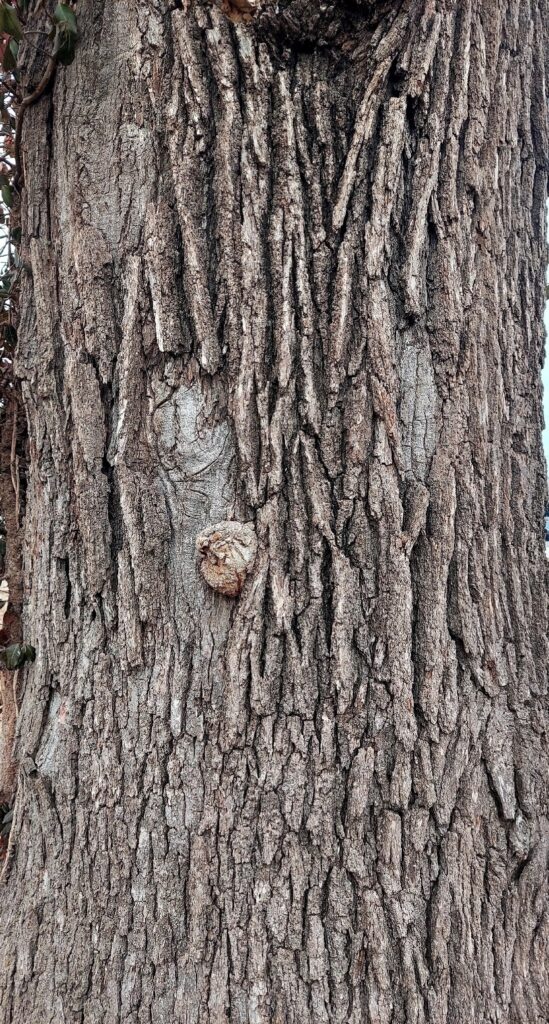
Bur Oak is a native New England species, though its range extends primarily to the western portions of New England (Massachusetts, Connecticut, and parts of Vermont and New Hampshire) and is most abundant westward in the mid-Atlantic and Midwest regions. In New England, Bur Oak inhabits well-drained upland soils and rocky ridges, thriving in full sun to partial shade conditions. The tree prefers neutral to slightly acidic soils and is notably drought-tolerant once established, accessing deep soil moisture through its substantial taproot system. Bur Oak grows relatively slowly compared to some oak species but lives for centuries, often reaching 200+ years. The distinctive large acorns with their fringed cups (burrs) make Bur Oak easily identifiable. The tree reaches heights of 60-80 feet in optimal New England conditions, with thick, deeply furrowed bark visible by early maturity. Bur Oak produces acorns reliably every year, though production varies in abundance. The tree is monoecious (producing both male and female flowers) and produces seeds that require cold stratification over winter before germinating in spring. New England’s climate is well-suited to Bur Oak’s needs, though the species is less abundant in New England than further west.
Safety & Interactions
Oak bark is generally recognized as safe for external use as an astringent wash or poultice. For internal use as a tea or decoction, oak bark should be limited to short-term applications (no more than 2-3 weeks continuous use) due to the significant tannin content potentially inhibiting nutrient absorption with prolonged consumption. Individuals with constipation or digestive conditions characterized by insufficient bowel motility should avoid oak bark internally. The high tannin content may interfere with iron absorption, particularly in individuals with existing iron deficiency or anemia. Pregnant and nursing individuals should avoid oak bark internally due to potential effects on digestive function and limited safety data. No significant drug interactions have been documented with oak bark. Allergic reactions are rare but possible, particularly in individuals with sensitivity to oak pollen or to tannin-rich plants. Acorns contain substantial tannins until properly leached, and consuming unleached acorns can cause significant gastrointestinal distress including nausea, constipation, and abdominal pain. Properly leached acorns present no tannin-related toxicity concerns.
New England Specific
Bur Oak is native to New England, though it is more abundant westward and represents the eastern extension of a species more characteristic of interior North America. In New England, the tree is particularly associated with western upland regions and rocky outcrops. The species has significant ecological importance in New England forests, providing mast (acorn production) that supports populations of native wildlife including deer, wild turkey, squirrels, and jays. Indigenous peoples of New England utilized acorns as a dietary staple before European colonization, with extensive evidence of acorn processing sites and storage pits throughout New England archaeological records. For contemporary New England practitioners, Bur Oak represents an opportunity to work with trees that have served as food and medicine for thousands of years. The tree’s longevity and slow growth make it a symbol of deep time and patient work. Modern New England foragers have renewed interest in acorn processing and consumption, connecting to ancestral practices and promoting sustainable food systems based on mast production.
Harvest Notes
Bur Oak bark should be harvested in early spring when the sap is running, as the bark separates most easily from the wood at this time. Bark is typically stripped from fallen branches rather than taken from living trees, a practice that preserves the tree while providing adequate material. Bark should be dried thoroughly in shade or in a dehydrator at low temperature (below 110°F) to preserve enzyme activity and volatile compounds. Dried bark can be stored in airtight containers away from light for up to two years. Acorns should be collected in autumn when they naturally drop from the tree, typically September through November in New England. Viable acorns sink in water, providing a simple test to distinguish good seed from insects or fungal damage. Acorns must be leached extensively before consumption—traditional methods include burying acorns in cold running water for several weeks or processing through repeated hot-water soakings until the water runs clear. Properly leached acorns can be ground into flour for storage and use in breads and porridges. Fresh oak leaves can be collected in spring at any time, though the highest medicinal potency occurs just before flowering. The tree’s annual production of substantial quantities of both leaves and bark makes Bur Oak a sustainable and abundant resource.
Pharmacological Actions: Anti-inflammatory, Antifungal, Antimicrobial, Antioxidant, Astringent, Hemostatic
Traditional Herbalism Information
Parts Used & Their Applications
Bur Oak bark constitutes the primary medicinal plant part, employed in decoctions and infusions for its profound astringent properties. The bark is used both internally as a tea for gastrointestinal complaints and externally as a wash or poultice for wounds, skin conditions, and inflamed tissues. Oak acorns, once properly leached to remove tannins, are a nutritive food suitable for regular consumption as a staple grain. The leaves are employed in traditional herbalism as a supportive herb, prepared as an infusion or added to herbal blends intended to support overall health. The inner bark (phloem) is sometimes separated and used for its enhanced palatability and suspected higher concentration of active compounds. In traditional European herbalism, oak was so valued that trees were often planted specifically for medicinal purposes, with trees managed to produce consistent bark harvests. The acorn-processed flour has been used as a nutritive base for soups, breads, and porridges, providing both sustenance and mild medicinal effects.
Preparation Methods
The most traditional preparation of Bur Oak bark is as a decoction, created by simmering dried bark (typically 1-2 tablespoons per cup of water) for 10-15 minutes. This produces a strongly astringent tea with a notably bitter and somewhat woody taste, often combined with honey or other herbs to improve palatability. A cold infusion, prepared by steeping bark in cold water overnight, produces a less intensely astringent preparation while preserving more volatile compounds. Oak bark can be prepared as a tincture using standard ethanol extraction, producing a concentrated preparation suitable for topical application or internal use in small doses. The bark can be powdered and mixed with water to create a paste for external poultice application. Fresh leaf infusions are prepared by pouring hot water over newly collected leaves and steeping for 10-15 minutes, producing a mild astringent tea. Acorn flour is prepared by leaching whole acorns in multiple changes of water until tannins are removed, drying thoroughly, and grinding into flour suitable for cooking. The flour can be used directly in cooking or mixed with other flours to reduce the proportion of acorn flour and increase overall palatability.
Traditional Applications
Bur Oak bark is traditionally employed in the treatment of diarrhea and dysentery, with the astringent tannins quickly reducing excessive intestinal fluid loss and restoring normal bowel function. It is used in the treatment of hemorrhoids, both as an internal astringent tea and as an external poultice or wash. Traditional herbalists employed oak bark in the treatment of chronic bleeding conditions, particularly bleeding gums and excessive menstrual bleeding, leveraging the plant’s capacity to reduce fluid loss. The bark was used in wound care, where its astringency supports hemostasis and tissue repair while its antimicrobial tannins reduce infection risk. Traditional applications include gargle preparations for sore throats and inflamed gums, with the bark’s astringency reducing inflammation and supporting tissue tightening. In traditional European herbalism, oak was prescribed as a constitutional support for individuals with weak digestion or chronic intestinal weakness. The acorn, once properly processed, was recognized as a supreme nutritive food suitable for regular consumption by all populations, providing sustained energy and supporting overall vitality. Oak bark was historically used as a tanning agent in leather production, with the same tannins that tan leather also supporting tissue astringency in the body.
Modern Adaptations
Contemporary herbalists recognize oak bark as a valuable tool in acute gastrointestinal distress, particularly in situations where diarrhea or bleeding occurs. Modern practitioners emphasize the importance of short-term use to avoid tannin-induced constipation or nutrient absorption inhibition. Oak bark has gained renewed interest in contemporary herbalism as part of broader movements toward local plant medicine and bioregional herbalism. Modern foragers have revived acorn processing and consumption, viewing properly leached acorns as a sustainable, nutrient-dense staple food. Some contemporary practitioners incorporate oak bark into herbal formulas designed for wound care and tissue repair. The tree’s ecological role and longevity have inspired modern practitioners to develop relationships with specific individual trees over years or decades, creating personalized herbal medicine from trusted sources. Oak bark appears in contemporary women’s herbalism for support during heavy menstrual periods. Contemporary phytotherapy recognizes oak as a foundation plant in any herbal materia medica focused on astringency and tissue support.
New England Specific
For New England herbalists, Bur Oak represents a native tree with deep historical significance. The tree’s relationship to indigenous peoples of the region—who processed vast quantities of acorns as dietary staples—connects contemporary practice to ancestral knowledge. Modern New England foragers and herbalists are reviving knowledge of acorn processing, connecting to regional food traditions and promoting sustainable practice. The tree’s presence in New England uplands makes it accessible to many practitioners who can develop relationships with specific trees. Oak’s role in the regional ecosystem, supporting wildlife from insects to large mammals, makes it a symbol of ecological interconnection and mutual support. New England’s distinct seasons, with reliable cold winters and variable springs, perfectly suit oak’s reproductive cycle and bark harvest timing.
Harvest Notes
Oak bark harvesting should follow sustainable practices to avoid damaging living trees. Harvesting from fallen branches and dead trees is preferred, with bark stripped while wood remains fresh. Spring provides optimal bark separation, though autumn harvesting is also viable. Dried bark should be stored away from moisture and light, retaining potency for 2-3 years. Acorn collection in autumn requires identifying viable nuts (floating tests) and removing any insects or fungal damage. Leaching acorns requires patience—traditional cold-water leaching in streams works well, while repeated hot-water soaking achieves similar results more quickly. Properly leached acorns develop a pale color and mild taste. Drying leached acorns thoroughly before storage prevents mold growth. Leaves are best harvested in spring, just before flower buds open, when the highest concentration of active compounds is present.
Traditional Uses: Astringent, Digestive Support, Nutritive (acorns), Tonic, Wound Healing
Magical Correspondences Information
Magical Correspondences
Bur Oak carries Jupiter correspondence, reflecting the planet’s association with abundance, protection, justice, strength, and longevity. The tree’s massive size and slow growth embody Jupiter’s qualities of magnitude and patience. The Fire element association reflects the tree’s solar nature—oaks thrive in full sun and produce abundant seeds (acorns). Some traditions assign Oak an additional Saturn correspondence, honoring the tree’s ancient age, deep roots, and capacity to endure for centuries. The strength and stability of oak wood correspond to Earth element and the foundation that allows all magical work to manifest. In some traditions, oak is considered sacred to the masculine divine principle—the sacred king archetype—though oak’s generative abundance also reflects the feminine nurturing principle.
Magical Intentions
Bur Oak serves as an ally in workings focused on strength, stability, and enduring power. The tree supports magic designed to establish firm foundations for long-term projects or relationships. Practitioners employ oak in workings focused on protection and defense, leveraging the tree’s dense wood and protective canopy. Oak is used to strengthen will, courage, and the capacity to overcome obstacles through persistent effort. In abundance and prosperity work, oak supports the creation of lasting wealth and resources that multiply over time. The tree is employed in justice work, ensuring that decisions and outcomes align with higher law and rightness. Oak supports work focused on longevity, endurance, and the creation of legacy. The tree’s role as a shelter and provider of food for countless creatures makes it ideal for workings focused on generosity, nurturing, and the creation of sanctuary.
Ritual Uses
Oak is a supreme ritual tool, with wood used in wands, staffs, and ritual objects. Acorns are carried or placed on altars as talismans of protection and abundance. Leaves are placed on altars or incorporated into ritual space to call upon Jupiter’s protective and generative energy. Oak bark is burned as incense in rituals focused on grounding, protection, and earth-based magic. The tree itself serves as a location for ritual work, with practitioners often conducting ceremonies beneath oak branches. Acorns are planted as magical acts of creation and future-generation support. Oak wood is used in the construction of altars, creating a foundation of stability and endurance for magical work.
Color Correspondences
The brown of oak bark and wood corresponds to grounding, stability, earth element, and the foundation upon which all growth occurs. The green of oak leaves corresponds to growth, abundance, and life force. The golden-brown of mature acorns corresponds to abundance, wealth, and solar power. The deep gray of ancient oak bark corresponds to wisdom, longevity, and the accumulation of experience. When working with color magic, oak’s predominant browns and greens can substitute for more vibrant colors when grounding and stability are priorities.
Sabbat Associations
Bur Oak is most strongly associated with Midsummer, when the oak tree is in full leaf and its protective canopy is maximum. At Lammas (Lughnasadh), oak acorn production accelerates toward full maturity, connecting the tree to themes of generative abundance and the first harvest. The tree is also relevant to Beltane, marking the transition to summer growth. At Imbolc and Samhain, oak is invoked for its capacity to endure through darkness and to provide shelter through winter. Yule celebrates oak’s evergreen endurance and its role in ancient fire-starting traditions.
Traditional Lore & Folk Magic
Bur Oak holds a position of supreme importance in Celtic and European magical traditions, with the tree sacred to the Green Man, the Oak King, and the sacred masculine principle. Druidic traditions held oaks as the most sacred trees, with oak groves serving as sacred temple spaces. In Celtic mythology, the oak represents sovereignty, wisdom, and the axis mundi—the center connecting sky, earth, and underworld. European folk traditions associate oak with Jupiter and with protection against lightning—paradoxically, since oaks attract lightning, they are understood to be lightning rods protecting nearby structures and people. Acorns are carried as talismans of protection and abundance in many European traditions. The tree’s role in supporting vast ecosystems has made it a symbol of interconnection and mutual dependence. In cunning craft traditions, oak appears in charms for protection and for establishing justice and rightness in disputes.
Combining with Other Plants
Bur Oak combines powerfully with other Jupiter-ruled plants such as Sage or Rosemary, creating a powerful trio of protection and abundance. Combined with Saturn-ruled plants such as Comfrey or Mugwort, oak creates a blend addressing both Jupiter’s expansion and Saturn’s boundaries and longevity. In grounding work, oak pairs well with roots of other plants, particularly Mars-ruled roots such as Angelica Root. When working with earth and foundation magic, oak combines beautifully with other Fire-element plants such as Rowan, creating complementary solar and warming energy. In protective work, oak combines well with thorny protective plants such as Hawthorn or Rose thorns, creating multi-layered defense. The tree works well in combination with other wood-based materials such as Willow or Ash in creating ritual objects.
Planetary Rulers: Jupiter, Sun
Magical Intentions: Ancestral Work, Grounding, Longevity, Prosperity, Protection, Strength, Wisdom
Elemental Associations: Earth, Fire
1 Grieve, M. (1971). A Modern Herbal. Dover Publications. 2 USDA PLANTS Database. National Plant Data Center, NRCS. Retrieved from plants.usda.gov. 3 Hoffmann, D. (2003). Medical Herbalism: The Science and Practice of Herbal Medicine. Healing Arts Press. 4 Blumenthal, M., Busse, W. R., Goldberg, A., et al. (Eds.). (2000). Herbal Medicine: Expanded Commission E Monographs. Integrative Medicine Communications. 5 Mills, S., & Bone, K. (2005). The Essential Guide to Herbal Safety. Elsevier Health Sciences.