Wild Ginger
Basic Information
Scientific Name: Asarum canadense
Plant Family: Aristolochiaceae
Conservation / Invasive Status: Least Concern (locally vulnerable in some regions due to overcollection)
Geographic Range: Native to Northern New England
Safety Level: Use with Caution
Harvest Season: Spring (rhizomes after plants dormant and before growth), Summer (leaves)
Parts Used: Leaves, Rhizome, Roots
Scientific & Botanical Information
Active Compounds
Wild Ginger contains several bioactive compounds including aristolochic acid, asarone, and volatile oils with limonene and pinene components. The rhizome accumulates these compounds as secondary metabolites, contributing to its pungent aroma and traditional warming properties1.
What Science Shows
CRITICAL SAFETY ALERT: Aristolochic acids (AA) present in wild ginger are now classified as Group 1 carcinogens by the International Agency for Research on Cancer (IARC). These compounds are both nephrotoxic and mutagenic, causing aristolochic acid nephropathy (AAN) and urothelial cancer with prolonged use2. Modern research has documented multiple cases of kidney disease linked to aristolochic acid exposure, particularly in traditional herbal medicine preparations from Asian species and related North American species.
The volatile oil fraction demonstrates antimicrobial and anti-inflammatory activity in vitro, and asarone exhibits some analgesic properties in animal models3. However, these minor benefits do not outweigh the serious nephrotoxic and carcinogenic risks.
Growing in New England
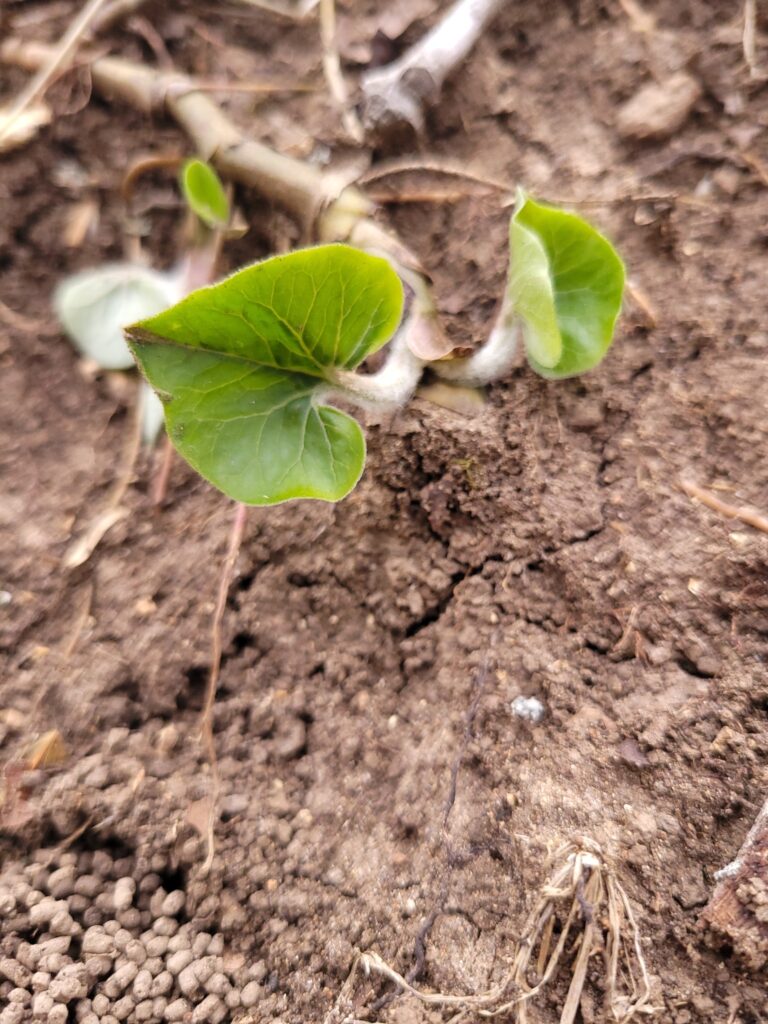
Wild Ginger is native to eastern deciduous forests from Nova Scotia to North Carolina and west to the Mississippi River. In New England, it thrives in moist, humus-rich woodlands and shade gardens. The plant spreads slowly via rhizomatous growth and prefers acidic soil (pH 4.5-6). It flowers in early spring with distinctive maroon flowers appearing at ground level.
Safety & Interactions
NOT RECOMMENDED FOR INTERNAL USE. The aristolochic acid content makes this plant unsuitable for any internal medicinal application. Even small doses taken over time present carcinogenic and nephrotoxic risks that are well-documented in medical literature. Pregnant individuals should avoid all contact due to potential emmenagogue effects and aristolochic acid teratogenicity2.
New England Specific
Wild Ginger populations in New England are relatively stable in protected woodlands. The plant has cultural significance to indigenous nations of the northeast including the Haudenosaunee and Algonquian peoples, though traditional internal uses are now contraindicated due to toxicity concerns.
Pharmacological Actions: Anti-inflammatory (limited evidence for safety), Antibacterial, Antispasmodic, Carminative, Diaphoretic, Stimulating, Vermifuge
Traditional Herbalism Information
Parts Used & Their Applications
Traditionally, the rhizome (underground stem) was harvested in autumn and used for internal medicine preparations. Historical herbals describe it as a warming spice substitute and digestive aid. The fresh root was sometimes used topically in poultices4.
Preparation Methods
Historic preparations included decoctions (simmered rhizome in water for 10-15 minutes), infusions, and tinctures. Modern herbalists have largely abandoned these methods due to aristolochic acid toxicity concerns.
Traditional Applications
Wild Ginger appears in traditional healing systems across North America as documented by Moerman’s Ethnobotany database. Indigenous nations used it for digestive complaints, menstrual regulation, and as a warming tonic. It was valued as a local spice substitute to replace imported ginger in colonial herbalism5.
Modern Adaptations
Contemporary herbalists have largely moved away from internal use of wild ginger. Some practitioners recommend external applications only, though even these carry risks if the skin is broken or if compounds are absorbed systemically. Many modern herbals recommend substituting other warming carminatives with better safety profiles, such as ginger root (Zingiber officinale) or warming mints.
New England Specific
Colonial herbalists of New England documented wild ginger as a readily available substitute for imported medicinal and culinary ginger. Native peoples throughout the northeast developed sophisticated knowledge of its properties and appropriate uses.
Harvest Notes
Harvest not recommended. Given the toxicity concerns and the slow growth rate of wild ginger populations, sustainable harvesting practices are difficult to maintain. Conservation of remaining wild populations is preferable to continued harvesting pressure.
Traditional Uses: Digestive complaints, Fever management (diaphoretic), Flatulence, Loss of appetite, Respiratory tract stimulation, Traditional snakebite treatment (historical), Wound healing (external application)
Magical Correspondences Information
Magical Correspondences
Wild Ginger is traditionally associated with Mars energy—the planet of action, courage, protection, and transformation. Its underground growth and warming properties align with chthonic (underworld) magic and grounding work.
Magical Intentions
Practitioners use wild ginger for protection magic, particularly grounding and shielding rituals. Its warming properties make it useful for courage-building work and removing energetic stagnation. Some traditions employ it in banishing rituals or cleansing spaces of unwanted spiritual presence.
Ritual Uses
Dried wild ginger rhizome is incorporated into protective sachets, placed beneath doorways, or added to incense formulas. Its distinctive aroma makes it useful for olfactory anchoring in magical practice. Some practitioners work with it as a grounding ally in earth element rituals.
Color Correspondences
The rich reddish-brown color of dried wild ginger rhizome associates it with earth, grounding, and protective magic. The maroon flowers carry Mars associations.
Sabbat Associations
Imbolc (early spring flowering) and Lughnasadh (harvest of roots) mark significant magical timing points for wild ginger work.
Traditional Lore & Folk Magic
Appalachian folk magic traditions incorporated wild ginger into protection bags and household charms. Its role as a warming, protective plant aligns with sympathetic magic—its subterranean growth suggesting deep, hidden protection.
Combining with Other Plants
In magical practice, wild ginger combines well with other protective roots like angelica, galangal, and calamus. Its Mars energy harmonizes with rosemary, ginger root, and hawthorn in protective formulas. Avoid energetic combinations with moon-dominant plants in banishing work.
Planetary Rulers: Mercury
Magical Intentions: Fertility, Grounding, Protection, Root magic, Serpent wisdom, Underground mysteries
Elemental Associations: Earth
1 Grieve, M. (1971). A Modern Herbal. Dover Publications.
2 International Agency for Research on Cancer (IARC). Carcinogenicity of Aristolochic Acids. Lancet Oncology 19(12), 1509-1510 (2018).
3 Hoffmann, D. (2003). Medical Herbalism: The Science and Practice of Herbal Medicine. Healing Arts Press.
4 Mills, S. & Bone, K. (2005). The Essential Guide to Herbal Safety. Churchill Livingstone.
5 Moerman, D. E. (1998). Native American Ethnobotany. Timber Press.