St. John’s Wort
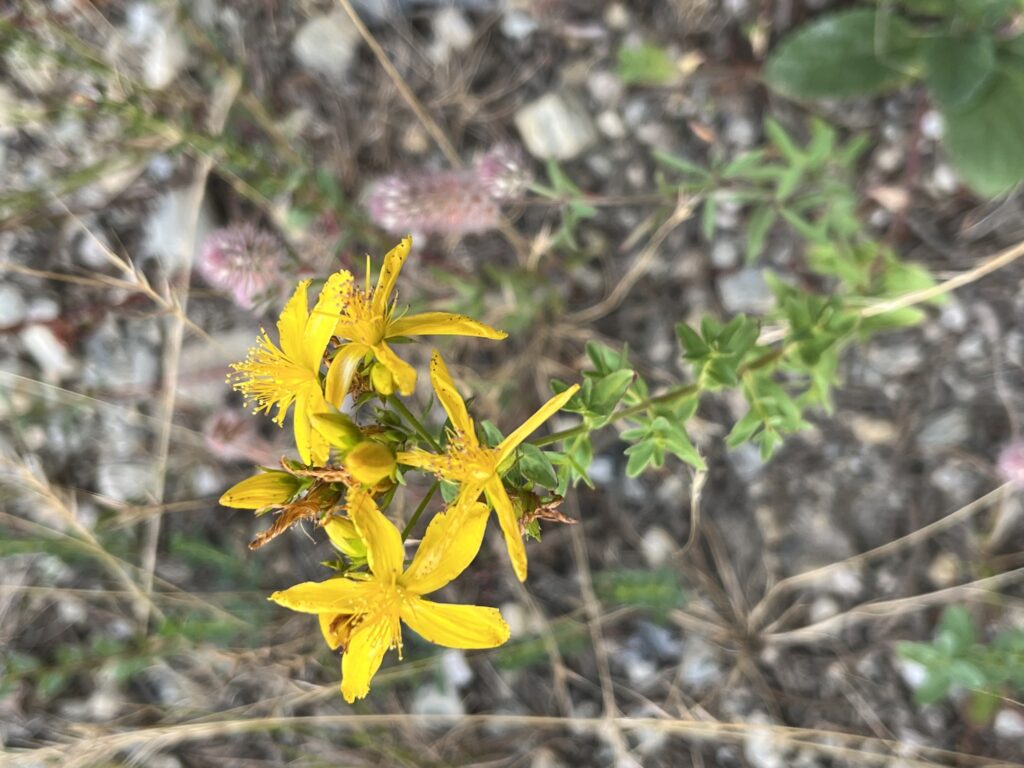
Basic Information
Scientific Name: Hypericum perforatum
Plant Family: Hypericaceae
Conservation / Invasive Status: Not Evaluated
Geographic Range: Eastern North America, Introduced/Invasive, Northeast US
Safety Level: Use with Caution
Harvest Season: Fall, Summer
Parts Used: Aerial Parts, Flowers, Leaves
Scientific & Botanical Information
Botanical & Scientific
Active Compounds
- Hyperforin: A lipophilic phloroglucinol sesquiterpene serving as primary active constituent for antidepressant activity. Inhibits neuronal reuptake of serotonin, norepinephrine, dopamine, GABA, and L-glutamate for mood elevation and emotional regulation.1 The degree of CYP3A4 induction by St. John’s wort preparations correlates significantly with hyperforin content, emphasizing clinical importance of dose and extract standardization.2
- Hypericin: A naphthodianthrone compound with photodynamic, anticarcinogenic, antimicrobial, and antiviral properties. Concentrations typically 0.03-0.3% in aerial parts.1
- Flavonoid Complex: Quercetin, kaempferol, and rutin contribute antioxidant, anti-inflammatory, and vasoprotective effects with neuroprotective and cardioprotective properties.1
- Phenylpropanes and Biflavones: Work synergistically with hyperforin and hypericin for neurotransmitter modulation and anxiolytic support.1
What Science Shows
- Antidepressant Efficacy: A systematic review and meta-analysis of randomized controlled trials demonstrated that Hypericum perforatum shows comparable response and remission rates to standard SSRIs in patients with depression, with significantly lower discontinuation/dropout rates due to better tolerability.3 Efficacy is most pronounced for mild-to-moderate depression; evidence for moderately-severe depression remains mixed.3,4
- Mechanism: Monoamine Reuptake: Hyperforin blocks reuptake of serotonin, norepinephrine, dopamine, GABA, and L-glutamate through multiple mechanisms, providing broader neurotransmitter modulation than selective serotonin reuptake inhibitors (SSRIs).1,5
- Anxiolytic Properties: Hyperforin’s multi-targeted neurotransmitter modulation provides anxiolytic benefits superior to single-mechanism approaches, with clinical benefit accumulating over 2+ weeks of consistent use.1
- Critical Drug Interactions: Hyperforin is a potent inducer of cytochrome P450 enzymes (CYP3A4, CYP2C9, CYP2C19) and P-glycoprotein, causing clinically significant reductions in blood concentrations of oral contraceptives, anticoagulants, immunosuppressants, and numerous other medications.2,6
- Serotonin Syndrome Risk: Combined use with SSRIs carries risk of serotonin syndrome; risk is particularly elevated with SSRIs metabolized via CYP2C19 (fluoxetine, citalopram, sertraline).6
Growing in New England
- Hardiness: USDA Zones 5-10; reliably established in New England Zones 4-6 as a vigorous perennial.
- Soil: Highly adaptable to sand, clay, rocky soil, or loam; tolerates pH 6.0-7.5; requires well-drained soil.
- Sun: Full sun to partial shade; prefers 6+ hours daily for optimal phytochemical concentration.
- Water: Drought-tolerant when established; benefits from consistent moisture during growth season; requires 10-12 inches annually in winter-snow areas.
- Propagation: Easily propagated by seed, division, or softwood cuttings; self-seeds readily.
Safety & Interactions
St. John’s Wort has critical drug interactions and safety considerations. It induces liver enzymes (CYP3A4, CYP2C19, CYP2C9), significantly reducing effectiveness of oral contraceptives, anticoagulants (warfarin, phenprocoumon), immunosuppressants, cardiac glycosides (digoxin), lipid-lowering agents (simvastatin), protease inhibitors (indinavir), and numerous other medications.2,6 Combined with SSRIs may cause serotonin syndrome. Photosensitivity is possible with high-dose use. Contraindicated in pregnancy, lactation, bipolar disorder, and schizophrenia. Consult healthcare provider before combining with medications, particularly those metabolized via CYP3A4 or CYP2C19.6
New England Specific
Wild Species
Both European subspecies and North American strains found throughout New England in disturbed areas, roadsides, and abandoned fields. Naturalized and occasionally considered weedy in Connecticut, Massachusetts, and Vermont pastures.
Seasonal Timing
April-May: Seedling emergence; ideal propagation time. June: Flower formation begins mid-month; peak July potency. July-August: Primary harvest; maximum hyperforin/hypericin; harvest mornings after dew. September: Seed production; declining potency. October-November: Senescence and dormancy entry. December-March: Dormant period with excellent winter survival.
Growing Considerations
Prioritize well-draining soil for spring snowmelt conditions. Elevated planting prevents waterlogging. Thrives in cool New England climate with robust growth and elevated active compounds. Self-seeds prolifically; control via deadheading. Northern zones benefit from winter mulch. Excellent for meadow incorporation and pollinator plantings.
Sourcing & Ethics
Well-established populations permit sustainable wild harvest where not designated invasive. Cultivation preferred for ecosystem protection. Commercial cultivars selected for high hyperforin/hypericin available from specialty nurseries. Harvest by cutting to 6 inches above ground. Fresh material significantly more active than dried; store dried herb in cool darkness for 1-2 years maximum.
Pharmacological Actions: Anti-inflammatory, Antidepressant, Antifungal, Antimicrobial, Antioxidant, Antiviral, Anxiolytic, Immunomodulatory, Neuroprotective
Traditional Herbalism Information
Traditional Herbalism
Parts Used & Applications
Aerial Parts & Flowers:
- Depression and mood disorders since medieval European herbalism
- Anxiety, nervous tension, emotional stress
- Sleep disturbances and insomnia from emotional causes
- Nerve pain, neuralgia, sciatica
- Muscle tension and pain relief
- Topical wounds, burns, minor cuts as infused oil
- Minor inflammatory skin conditions
Preparation Methods
Tincture (Fresh Herb)
Most effective method. Use fresh harvested flowering aerial parts at 1:2 ratio with 60-90% ethanol. Pack into jar, cover with alcohol, store in cool darkness. Shake daily for 6-8 weeks, then strain. Fresh herb tincture substantially more potent than dried. Dose: 20-40 drops (1-2 ml) three times daily or 2-4 ml three times per day. Requires minimum 4-6 weeks sustained use for mood benefits.7
Infused Oil (Fresh Herb)
Fill jar with fresh flowering aerial parts, cover completely with vegetable oil, place in direct sunlight 4-6 weeks, stirring occasionally. Develops deep red color from hypericin extraction. Strain into dark bottles. Apply topically 2-3 times daily for nerve pain, muscle tension, skin conditions. Solar infusion preferred; sun exposure should be minimized after application.7
Tea (Dried Herb)
Less effective since hyperforin poorly extracted in water. Steep 1-2 teaspoons dried aerial parts in 8 oz water (160-180F, not boiling) for 10-15 minutes. Consume 2-3 times daily. Better suited for mild anxiety/sleep than depression. Fresh herb more potent than dried.7
Capsules or Powder
Standard dosage: 300-900 mg daily in divided doses (typically 300 mg three times daily). Dried material loses potency over time; use preparations less than 1 year old.8
Traditional Applications
Depression & Melancholy: Medieval European monasteries cultivated for melancholic states. Traditional use involved tincture (15-20 drops in water) three times daily over 6-12 weeks. Mood elevation required consistent use, more pronounced with fresh preparations. Often combined with Lemon Balm.1
Anxiety & Nervous Tension: Combined with Passionflower or Skullcap for anxiety with physical tension. Tincture dosage: 30 drops twice daily. Valued for seasonal mood changes. Evening infusion combining St. John’s Wort, Lemon Verbena, and Passionflower addressed anxiety-related insomnia.1
Sleep Disturbances: Gentle evening tea combining St. John’s Wort, Passionflower, and Chamomile. Sleep tincture combined equal parts St. John’s Wort, Passionflower, and California Poppy; 30 drops in warm water 30-60 minutes before bed addressed emotional insomnia roots.1
Nerve Pain & Neuralgia: Centuries-old topical application tradition for facial/trigeminal neuralgia and post-herpetic pain. Massage infused oil into affected areas 2-3 times daily. Combined with Calendula oil for enhanced effects. Internal tincture (20 drops three times daily) used simultaneously with topical application.1,7
Modern Adaptations
Contemporary herbalists recognize multi-system benefits: mood elevation, inflammation reduction underlying depression, neuroplasticity support through neuroprotection, cognitive enhancement in aging. Standardized extracts (minimum 0.3% hypericin, 3-5% hyperforin) recommended for consistency and predictable drug interaction profiles. Formulations often pair St. John’s Wort with Rhodiola for vitality or Lemon Balm for anxiolytic support. Modern practitioners emphasize complete drug interaction profiles and sun exposure assessment. Fresh tinctures preferred for superior potency over dried preparations.
New England Specific
Regional herbalist traditions emphasize local cultivation and harvest. Cooler climate produces particularly potent plants with elevated hyperforin concentrations. New England herbalists prepared “summer solstice tinctures” harvesting around June 20-24 (John the Baptist’s feast day), coinciding with peak potency and regional spiritual herbalism traditions tying harvesting to astronomical events.
Sourcing & Ethics
For maximum medicinal value, source or grow fresh New England material as local cultivation produces significantly more potent herb than imported dried. Reputable herb nurseries throughout region offer plants and seeds. Purchased dried material should be current-season harvested and cool/dark stored; discard material older than 1-2 years. Commercial tinctures/extracts should contain minimum 0.3% hypericin and 3-5% hyperforin for pharmaceutical-grade quality. Home garden cultivation provides freshest material; established plants require minimal maintenance with multiple harvests possible.
Harvest Notes
Aerial Parts & Flowers:
When: June-August, peak mid-June through mid-July with fully open bright yellow flowers. Harvest sunny mornings after dew dries but before midday heat for maximum phytochemical concentration. Peak harvest varies by latitude/elevation: early July southern Connecticut through late July northern Vermont/Maine.
How: Cut/strip top 6-8 inches of flowering stems, leaving 6 inches with lower leaves for regrowth. Single plants harvestable 2-3 times seasonally. Use immediately after harvest for tinctures to preserve potency. Spread for drying on screens/bundles in warm, ventilated location away from direct sunlight. Complete drying within 1-2 days minimizes potency loss.
Processing & Storage: Fresh material processed immediately into alcohol for tincturing. Completely dried material stored in airtight glass containers in cool/dark conditions. Ground material loses potency rapidly; preserve whole leaf when possible. Dried herb usable 12-18 months with potency declining after 6 months. Frozen fresh herb (sealed bags) retains higher potency than dried for up to 1 year, usable directly in tinctures/infusions.
Traditional Uses: Anti-inflammatory, Antispasmodic, Mood Support, Nervine, Photosensitive Dermatitis, Sedative, Vulnerary, Wound Healing
Magical Correspondences Information
Magical Correspondences
Planetary Ruler: The Sun – representing light, warmth, vitality, clarity, divine consciousness, healing, protection, success, leadership, radiance. Deeply aligned with Solar magic, embodying life-affirming illuminating properties.
Element: Fire – representing transformation, passion, purification, action, willpower, spiritual illumination. Bright yellow flowers reflect fiery nature and capacity to kindle inner light.
Gender: Masculine (traditional classification)
Deities: Saint John the Baptist (feast day June 24, Midsummer), Helios (Greek sun deity)
Magical Intentions
Protection & Banishing:
- Hang dried above doorways/windows for negative energy and malevolent influence ward-off
- Carry dried flowers in cloth sachet for daily personal protection
- Bundle with Rue for enhanced hex and evil eye banishing
- Burn dried stems during waning moon for unwanted energy/habit banishment
- Sprinkle around home/garden perimeter for protective boundaries
Illumination & Clarity:
- Carry when making important decisions or facing complex problems
- Create “clarity oil” by infusing fresh flowers in olive oil during summer solstice; anoint third eye for divination
- Drink gentle infusion before meditation for mental clarity and spiritual insight
- Use in altar arrangements during divination for enhanced intuition
- Place fresh flowers on desk/workspace for mental clarity and focus
Love & Attraction:
- Include dried flowers in love-drawing sachets for fidelity and loyal love
- Infuse fresh flowers in honey for “love honey” relationship sweetening
- Wear fresh flowers or carry dried material for romantic bond strengthening
- Plant in garden/windowsill for harmonious love energy invitation
Courage & Vitality:
- Carry before challenging situations requiring inner strength
- Create ritual oil (sunflower-infused) for solar plexus anointing before public speaking
- Include in confidence-boosting charm bags
- Burn as incense during courage-requiring activities
Ritual Uses
Midsummer Solar Ritual: Harvest fresh St. John’s Wort at summer solstice/June 24. Weave into crown or bundle, hold facing east at sunrise, speak illumination/blessing intentions while allowing morning light through flowers. Bury crown in garden or significant place for year-round protection invocation.
Banishing & House Clearing: Create dried bundle tied with red thread. During waning moon, walk through home with bundle allowing scent to fill rooms. Open windows/doors for stagnant energy release. Speak cleansing/protection intentions in each room. Hang above main entrance for ongoing protective boundaries or burn monthly as protective incense.
Divination Amplification: Place fresh St. John’s Wort flowers on divination altar or around reading space. Allow overnight before divination practice. Herb’s clarifying Solar energy amplifies intuitive insight and conscious-subconscious connection. After reading, compost flowers or bury to ground received insights.
Color Correspondences
Bright yellow flowers correspond to solar energy, mental clarity, focus, positivity, illumination. Yellow represents thought-magic, communication, logical understanding, intellectual power activation. Deep red (hypericin-infused oil color) connects to blood magic, vitality, passion, protection, grounding Solar energy into earthly manifestation. In ritual: pair with gold candles for protection/Solar magic amplification or red candles for grounding protective intentions.
Sabbat Associations
Midsummer/Litha (June 21): Primary association with blooming and traditional June solstice/June 24 harvesting. Embodies Litha’s themes of radiance, Solar power peak, protection, growth cycle peak.
Beltane (May 1): Secondary association through protective properties and fire herb alignment with Beltane protective bonfires/community boundaries.
Lammas/Lughnasadh (August 1): Early autumn harvest practice association as August remains within harvesting season in some New England locations.
Traditional Lore & Folk Magic
- Medieval Europe called St. John’s Wort “Fuga Daemonium” (demon flight) for doorway/window placement to prevent witches and evil spirits entry
- Folk tradition: pillow-placed on Midsummer’s Eve brought dreams of future spouses; alternatively ensured protected restful sleep
- Scottish Highlands: carried as traveler protection charm for safe passage and harm prevention
- Herb’s ability to “bleed” red made it powerful protective amulet mimicking Christ’s shed blood
- German folk magic tied to thunder protection, hung above beds for lightning strike and storm damage prevention
- Irish tradition: known as “Grainne”; woven into Litha wreaths for household protection during summer’s liminal height
Regional Magical Timing
Optimal New England timing: late June through mid-July with peak bloom/harvest. Gather fresh flowers at sunrise shortly after summer solstice (June 20-21) or June 24 (John the Baptist feast) for maximum Solar potency. Use fresh immediately for full vital force; dried flowers maintain year-round magical potency. Summer-peak harvested material carries stronger Solar force than late-season material. For banishing work, utilize waning moon while working with herb, combining protective fire element with release/clearing energy. For love/protection attraction work, use waxing moon, emphasizing herb’s invocational qualities.
Combining with Other Plants
Pairs powerfully with Rosemary for mental clarity/protection altar combinations. Combine with native St. Peter’s Wort for compounded protection (magical use only). Mix with Bay Laurel for victory magic and goal achievement honoring both Solar rulerships. Braid with Rue for hex banishing and evil intent protection. For protection-inclusive love magic, combine with Rose petals creating sachets invoking both Venus love and Sun’s protective constancy. In incense work, blend with Frankincense/Myrrh for space/person purification rituals. For divination support, pair with Mugwort and/or Yarrow in tea or altar arrangements enhancing intuitive clarity and psychic development.
Planetary Rulers: Sun
Magical Intentions: Banishing, Divination, Protection, Psychic Work, Purification, Solar Magic, Strength
Elemental Associations: Fire, Sun
1 Barnes, J., Anderson, L.A., & Phillipson, J.D. (2001). St John’s wort (Hypericum perforatum L.): A review of its chemistry, pharmacology and clinical properties. Journal of Pharmacy and Pharmacology, 53(5), 583-600. https://doi.org/10.1211/0022357011775910
2 Zhou, S., Chan, E., Pan, S.Q., Huang, M., Lee, E.J.D. (2004). Pharmacokinetic interactions of drugs with St John’s wort. Journal of Psychopharmacology, 18(2), 262-276. https://pubmed.ncbi.nlm.nih.gov/15260917/
3 Linde, K., Berner, M.M., & Kriston, L. (2008). St John’s wort for major depression. Cochrane Database of Systematic Reviews, 4, CD000448. https://doi.org/10.1002/14651858.CD000448.pub3
4 Documentary Analysis of Hypericum perforatum (St. John’s Wort) and Its Effect on Depressive Disorders. (2024). Pharmaceuticals, 17(12), 1625. https://www.mdpi.com/1424-8247/17/12/1625
5 Müller, W.E., Rolli, M., Schäfer, C., & Hafner, U. (1997). Effects of Hypericum extract on the expression of serotonin receptors. Journal of Geriatric Psychiatry and Neurology, 10(Suppl 1), S7-S14.
6 Clinical relevance of St. John’s wort drug interactions revisited. (2020). Cureus, 12(2), e7451. https://pmc.ncbi.nlm.nih.gov/articles/PMC7056460/
7 Hoffmann, D. (2003). Medical Herbalism: The Science and Practice of Herbal Medicine. Healing Arts Press.
8 European Union herbal monograph on Hypericum perforatum L., herba. (2015). European Medicines Agency. https://www.ema.europa.eu/en/documents/herbal-monograph/final-european-union-herbal-monograph-hypericum-perforatum-l-herba-revision-1_en.pdf