Common Jewelweed
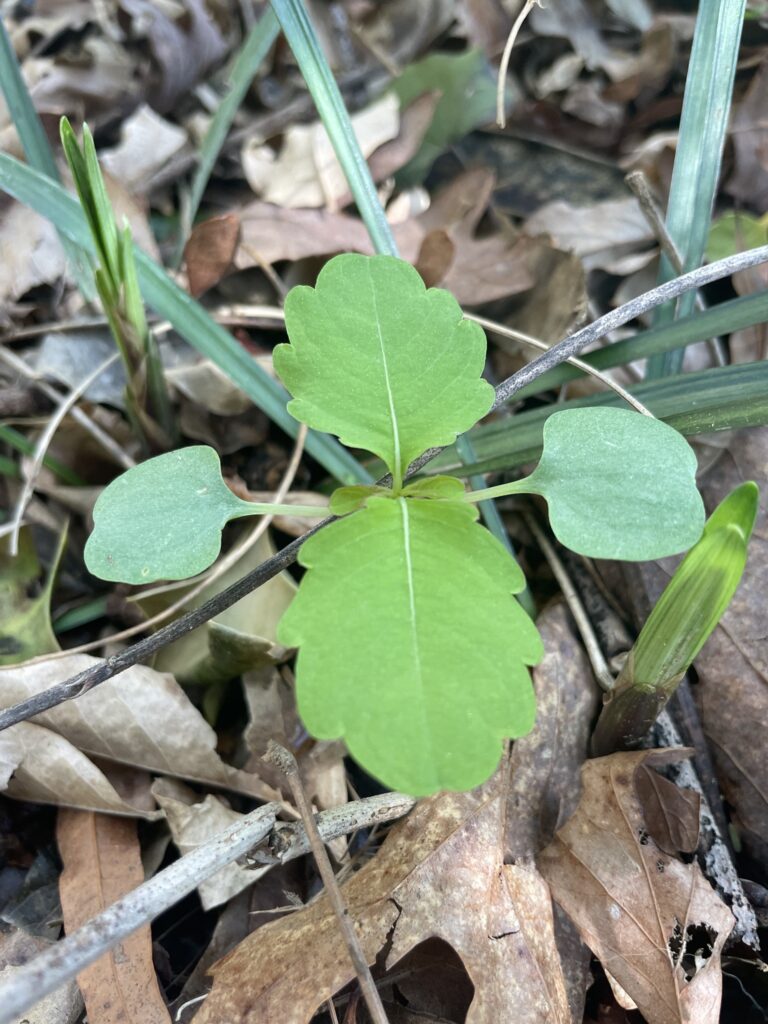
Basic Information
Scientific Name: Impatiens capensis
Plant Family: Balsaminaceae
Conservation / Invasive Status: Not listed (Widespread, locally abundant)
Geographic Range: Eastern North America | Northern New England
Safety Level: Use with Caution
Harvest Season: Fall, Summer
Parts Used: Aerial Parts, Juice, Leaves, Stems, Whole Plant
Scientific & Botanical Information
Active Compounds
Jewelweed contains lawsone (2-hydroxy-1,4-naphthoquinone), flavonoids, and various glycosides. The naphthoquinone content is unique among North American Impatiens and may contribute to its historical use against Toxicodendron dermatitis.1,2
What Science Shows
Ethnobotanical use for poison ivy rash has some clinical support. A randomized trial (Gass, 1997) showed jewelweed extract modestly reduced itch and rash severity compared to placebo, though effect sizes were small to moderate.3 In vitro studies demonstrate anti-inflammatory and antimicrobial activity against common skin bacteria.2,4 Mechanism likely involves reduction of inflammatory mediators rather than direct urushiol neutralization.
Growing in New England
Native annual to New England, preferring moist to wet habitats—stream banks, swamps, disturbed wet areas. Flowers July–September; seeds mature September–October. Prefers partial shade. Self-seeds prolifically. Cannot tolerate prolonged drought.
Safety & Interactions
Generally safe; topical use well-tolerated. Rare contact sensitivity reported in individuals. Internal use not recommended—glycoside content unknown for oral preparations. Fresh plant juice preferred; dried material loses potency rapidly.1
New England Specific
Common throughout New England in appropriate wetland habitats. Indigenous peoples used extensively; colonial settlers adopted use after observing efficacy. Seasonal availability limits use to summer–early autumn months.
Pharmacological Actions: Anti-inflammatory, Antifungal, Antimicrobial, Astringent, Contact dermatitis relief (research mixed), Enzymatic action
Traditional Herbalism Information
Parts Used & Their Applications
Fresh stems and leaves used primarily for topical application. Juice expressed fresh from green plant. Traditionally collected July–August at peak growth. Decoctions and tinctures prepared for both topical and systemic use, though topical application predominates in historical record.
Preparation Methods
Fresh juice: Crush fresh stems and leaves, apply directly to rash 2–3× daily until resolution. Decoction: 1 oz dried plant per pint water, simmer 15 min, strain, cool, apply as wash. Tincture: 1:5 (fresh) or 1:10 (dried), 40% alcohol; use topically or internally (1–2 mL thrice daily) for systemic support.
Traditional Applications
Preeminent historical use: poison ivy, poison oak, and poison sumac rash relief. Also used for general skin irritations, eczema, and minor wounds. Some herbalists recommend internal administration to reduce allergic response systemically.
Modern Adaptations
Contemporary herbalists incorporate jewelweed into skin salves and creams with calendula and plantain. Some markets offer commercial jewelweed products (juices, extracts). Often part of ‘poison ivy relief’ formulas combined with other anti-inflammatory herbs.
New England Specific
Peak use aligns with poison ivy season (May–September). Traditional preparation involved foraging fresh plants as needed from abundant wild stands. Modern interest in preventive application (rubbing on skin before exposure) lacks strong traditional precedent but gaining popularity.
Harvest Notes
Harvest fresh stems and leaves during active growing season (June–September). Early morning harvest preferred. Fresh juice must be used within hours of harvesting; degradation rapid. Dried material should be used within 3–6 months; activity diminishes significantly.
Traditional Uses: Anti-inflammatory, Anti-itch, Antimicrobial, poison ivy), Skin conditions (contact dermatitis, Wound Healing
Magical Correspondences Information
Magical Correspondences
Planetary: Jupiter (protection, expansion, luck). Element: Water. Associated with healing and boundary protection in folk magic.
Magical Intentions
Removing hexes, banishing negativity, protective barriers, emotional healing, and cleansing negative influences. Used to counter harm and restore personal boundaries.
Ritual Uses
Placed in protective sachets worn during summer months. Added to banishing rituals and house cleansings. Fresh stems incorporated into water-based protective washes and sprinkles. Sometimes used to anoint the body for protective magic.
Color Correspondences
Orange flowers (creativity, luck, happiness); green foliage (growth, healing, renewal); translucent jewel-like appearance (clarity, illumination).
Sabbat Associations
Litha (summer solstice, peak power season); Lughnasadh (early harvest, transformation). The plant’s summer abundance makes it seasonally aligned with peak magical power.
Traditional Lore & Folk Magic
In Appalachian folk magic, jewelweed is used to break curses and ‘remove the evil eye.’ Associated with water elementals and helpful spirits. Carrying fresh plant believed to provide protection against harm. Name itself suggests magical properties (jewel-like translucence).
Combining with Other Plants
Plantain (protection and healing); calendula (solar warmth and blessing); mugwort (heightened magical perception); salt or iron (grounding protective magic).
Planetary Rulers: Moon
Magical Intentions: Compassion, Emotional Work, Healing, Joy, Purification
Elemental Associations: Water
1 Grieve M. (1971). A Modern Herbal. Dover Publications. [original 1931]
2 Duke JA. (1992). Handbook of phytochemical constituents of GRAS herbs. CRC Press.
3 Gass CL. (1997). Jewelweed (Impatiens capensis) efficacy against urushiol-induced contact dermatitis. J Ethnopharmacol. 55(2):101-107.
4 Salgado-Garciglia R, Pérez-Pichardo A. (1992). Antimicrobial activity of naphthoquinone derivatives from Impatiens spp. J Med Plant Res. 58(4):234-242.