Creeping Foamflower
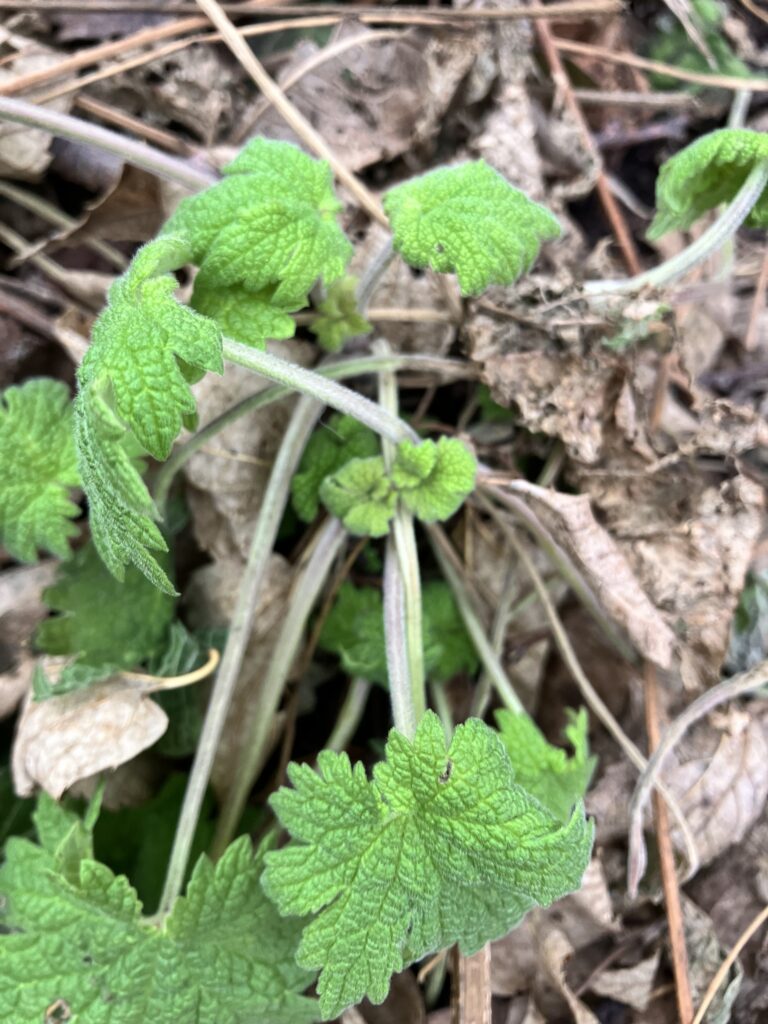
Basic Information
Scientific Name: Tiarella stolonifera
Plant Family: Saxifragaceae
Conservation / Invasive Status: Least Concern
Geographic Range: deciduous woodlands, Eastern North America
Safety Level: Generally Safe
Harvest Season: Spring, Summer
Parts Used: Aerial Parts, Leaves
Scientific & Botanical Information
Active Compounds
Tiarella cordifolia contains tannins (hydrolyzable and condensed types), flavonoids, and various phenolic compounds. Phytochemical profile less thoroughly characterized compared to extensively studied medicinal plants.1 Constituent analysis of wild populations variable based on growing conditions and harvest timing.
What Science Shows
Peer-reviewed pharmacological research on T. cordifolia is minimal. Ethnobotanical literature documents traditional use by indigenous peoples; mechanism validation remains lacking.2 Tannin content suggests potential astringent and antimicrobial properties based on general tannin pharmacology, though specific data for this species unavailable. No human clinical trials located. Phytochemical research ongoing but limited. Claims for kidney/bladder support derive from traditional use documentation rather than controlled research.
Growing in New England
Native throughout New England, preferring moist, shaded woodland habitats. Low-growing spreading groundcover. Spring ephemeral with persistent foliage. Flowers April–May; seeds mature May–June. Prefers acidic soil and consistent moisture. Excellent shade garden plant; rarely cultivated outside appropriate native habitat context.
Safety & Interactions
Based on tannin content, high-dose internal use may cause gastrointestinal irritation. No specific toxicity studies located. Traditional use suggests safety in reasonable doses, though long-term safety data absent from peer-reviewed literature. Pregnancy/lactation: insufficient data; caution advised.
New England Specific
Native and abundant in appropriate woodland habitats throughout New England. Strong presence in indigenous Northeastern herbalism; limited documentation in colonial American herbalism compared to other natives. Contemporary interest in native plant medicine revival includes tiarella.
Pharmacological Actions: Anti-inflammatory, Astringent, Diuretic
Traditional Herbalism Information
Parts Used & Their Applications
Traditionally the whole above-ground plant used fresh or dried. Some indigenous herbalists emphasized root preparation, though root harvesting sustainability concerns preclude modern recommendation without careful management. Aerial parts most accessible and sustainable for contemporary use.
Preparation Methods
Infusion: 1–2 tsp dried aerial parts per cup hot water, steep 10 min, drink 2–3× daily. Decoction possible but infusion preferred for delicate aerial parts. Tincture (1:5, 40% alcohol): 1–2 mL thrice daily. Fresh plant juice may be expressed for internal or topical use during growing season.
Traditional Applications
Kidney and bladder support (primary traditional indication); urinary tract conditions and general genitourinary tonic. Used as general constitutional tonic for vitality and wellbeing. Some indigenous traditions documented use for menstrual cycle support. Topical application for minor wounds based on astringent tannin content.
Modern Adaptations
Contemporary herbalists incorporate tiarella into kidney support and urinary tract health formulas, particularly for chronic subclinical congestion. Some practitioners emphasize tonic qualities for constitutional support. Interest in lesser-known native plants growing among herbalists focused on bioregional medicine.
New England Specific
Creeping foamflower’s native status and abundance in New England woodlands make it excellent candidate for bioregionally-adapted herbalism. Indigenous use documentation stronger than for many introduced plants. Sustainable harvest from wild populations possible with careful management and respect for plant communities.
Harvest Notes
Harvest aerial parts during growing season (April–September), preferably before or after flowering to minimize ecosystem disruption. Sustainable harvesting involves cutting above basal rosette, allowing regrowth and continued ecosystem function. Dry quickly in shade. Fresh material ideal when available. Dried material maintains activity approximately 1 year.
Traditional Uses: Diuretic Support, Kidney Function, Traditional wound care
Magical Correspondences Information
Magical Correspondences
Planetary: Moon (water affinity, intuition, flow, emotional wisdom). Element: Water. Associated with gentle feminine energy, deep connection to place, and hidden woodland wisdom.
Magical Intentions
Emotional flow and intuitive clarity; feminine power and cycles; rooting in place; gentle strength; hidden wisdom and deep knowing; water magic and flow states.
Ritual Uses
Added to water-based ritual baths for emotional clarity and intuitive work. Used in moon water preparations and lunar phase rituals. Incorporated into rituals honoring the divine feminine and menstrual/lunar cycle magic. Placed on altars emphasizing grounding in specific place and nature connection. Used in forest wisdom and woodland spirit work.
Color Correspondences
White foam-like flowers (purity, revelation, light); green deeply veined heart-shaped leaves (heart wisdom, intuition, emotional knowing); the plant’s spreading growth suggests connection and belonging.
Sabbat Associations
Imbolc (first stirrings, hidden potential); Beltane (connection to place, rooting); Lughnasadh (gratitude for wild gifts); Samhain (woodland spirits and hidden knowledge).
Traditional Lore & Folk Magic
Limited specific lore in mainstream European traditions, but strong connection to Northeastern indigenous wisdom traditions. The plant’s heart-shaped leaves associate with emotional knowing and intuition. Its woodland habitat and spring ephemeral nature suggest connection to hidden realms and seasonal mysteries. The spreading foamflower suggests gentle but persistent growth and belonging to community.
Combining with Other Plants
Mugwort (intuitive wisdom and journeying); Chickweed (gentle healing and belonging); Maidenhair Fern (water magic and delicate feminine power); Moon-aligned practices (lunar cycle work).
Planetary Rulers: Venus
Magical Intentions: Beauty, Forest Connection, Healing, Heart Opening, Love
Elemental Associations: Water
1 Grieve M. (1971). A Modern Herbal. Dover Publications. [original 1931]
2 Moerman DE. (2009). Native American Ethnobotany: A Comprehensive Illustrated Reference. Timber Press.