Red-berried Elder
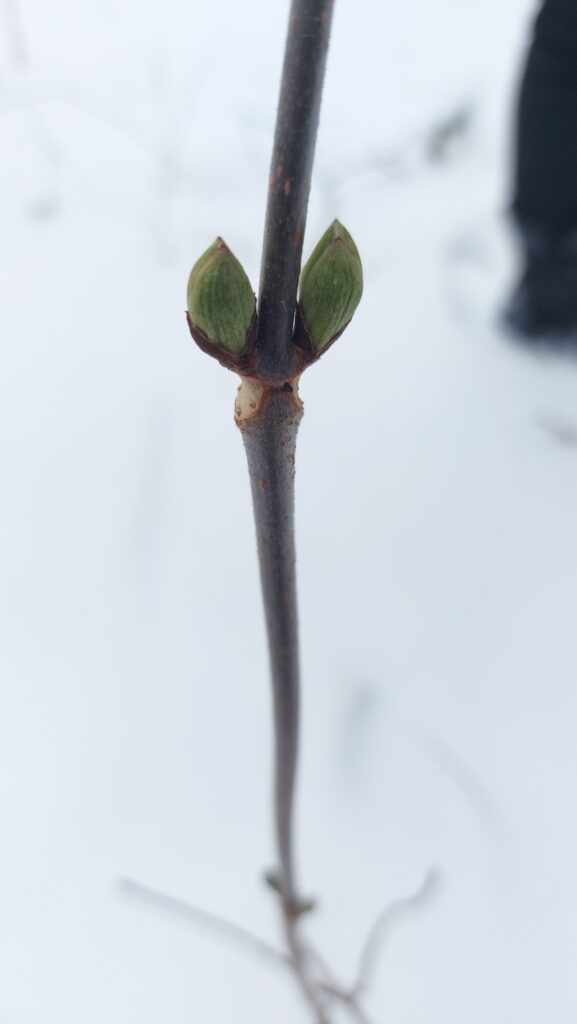
Basic Information
Scientific Name: Sambucus racemosa
Plant Family: Adoxaceae
Conservation / Invasive Status: Least Concern
Geographic Range: Eastern North America, Northeast US, Northern New England
Safety Level: Toxic - External Use Only
Harvest Season: Fall, Summer
Parts Used: Bark, Berries, Inner Bark, Leaves
Scientific & Botanical Information
Active Compounds
Sambucus racemosa (Red-berried Elder, or Red Elderberry) is a member of the Adoxaceae family (formerly Caprifoliaceae) and has been minimally studied for phytochemical composition. Like other Sambucus species, the plant likely contains iridoid glycosides (particularly sambunigrin and related compounds), flavonoids, and anthocyanin pigments (responsible for berry color), though specific chemical analysis of S. racemosa is limited. The berries, flowers, and bark are all traditionally employed, though comparative chemical analysis across plant parts has not been conducted. The berries’ high anthocyanin content suggests antioxidant properties, though this has not been validated for medicinal significance in S. racemosa specifically.
What Science Shows
Scientific research on Sambucus racemosa is extremely limited compared to Black Elderberry (S. nigra). Most elder research focuses on S. nigra for immune support; S. racemosa has received minimal attention. The plant’s traditional use in European folk medicine and indigenous North American herbalism has not been validated through clinical trials. No German Commission E monograph exists for S. racemosa, though S. nigra has received some assessment. The berry’s edibility after cooking and traditional use as food suggests safety, but medicinal efficacy remains unstudied.
Growing in New England
Sambucus racemosa is a native deciduous shrub, widespread throughout New England in moist woodlands, stream banks, and disturbed moist areas. Establishes readily from seed and spreads via rhizomes. Prefers partial shade and consistently moist soil; tolerates occasional flooding. Produces white flower clusters in spring (May–June), followed by distinctive bright red berries in summer (July–August). The berries are consumed by birds, which disperse seeds. The plant’s ecological role as an early-summer fruit source for wildlife is significant.
Safety & Interactions
Red-berried Elder has a good safety profile. The berries must be cooked before consumption (raw berries contain compounds that may cause gastrointestinal upset); traditional herbalism reflects this requirement. No acute toxicity is documented at traditional doses. No significant herb-drug interactions are documented. Pregnancy and lactation safety is understudied but likely safe given the plant’s gentle traditional use and food-like status; practitioners may wish to exercise caution.
New England Specific
Red-berried Elder is a native plant with significance in New England ecology and traditional herbalism. The plant’s presence in moist woodlands makes it accessible for respectful wildcrafting.
Pharmacological Actions: Anti-inflammatory, Antimicrobial, Antioxidant, Antiviral
Traditional Herbalism Information
Parts Used & Their Applications
The berries are the primary medicinal part, traditionally harvested in mid-summer (July–August) when fully ripe (bright red) and cooked before use. Flowers can be used fresh or dried; bark is employed in some traditions but less commonly than berries.
Preparation Methods
Berry decoction (traditional and preferred): Simmer 1–2 tablespoons dried berries in 1 quart water for 15–20 minutes, strain. Consume as a tea or syrup, 1–3 cups daily (or reduce to syrup for concentrated dosing). Berry infusion: Pour hot water over dried berries and steep 10–15 minutes. Syrup (common traditional preparation): Simmer berries with honey or sugar to create a shelf-stable preparation, traditionally taken by the spoonful. Tincture: Cooked berries in 50% alcohol, though traditional decoction is preferred.
Traditional Applications
Red-berried Elder has been used in European and North American folk herbalism for: (1) Immune support and seasonal wellness; (2) Respiratory support and gentle bronchial toning; (3) Fever management and supportive care during acute illness; (4) Gentle diuretic action and lymphatic support; (5) Constitutional support and nutritional supplementation (berries are food-like, rich in vitamin C and antioxidant compounds). Traditional use emphasizes the berries’ gentle, constitution-supportive properties.
Modern Adaptations
Contemporary herbalists have integrated Red-berried Elder into practice, though less prominently than Black Elderberry (Sambucus nigra). The berries appear in seasonal wellness blends, immune-support formulations, and traditional syrups. Some practitioners use red-berried elder as a locally-sourced alternative to imported Black Elderberry, particularly in bioregional herbalism. The berries’ food-like nature and gentle action support their inclusion in family wellness protocols. Contemporary emphasis on native plant herbalism has renewed interest in this species.
New England Specific
Red-berried Elder represents a cornerstone of New England summer herbalism. The plant’s distinctive early-summer berry production and local availability make it valuable in regional herb harvest calendars. Regional herbalists emphasize red-berried elder as a plant to know intimately and to harvest respectfully from abundant wild populations. Sustainable harvesting of berries is straightforward and ecologically sound.
Harvest Notes
Berries should be collected in mid-summer (July–August) when fully ripe and bright red. Harvest entire berry clusters and dry on screens or use fresh (berries must be cooked before use). Dry berries maintain potency for 1–2 years when stored in sealed glass containers protected from light and humidity. Flowers can be collected in May–June and dried for infusions. Verify positive identification: the white flower clusters in spring, distinctive bright red berries in summer, and the characteristic compound opposite leaves are unmistakable.
Traditional Uses: Immune Support (in traditional preparations only), Respiratory Support
Magical Correspondences Information
Magical Correspondences
Planetary: Jupiter (protection, abundance, generosity, immune strength, benevolent expansion). Element: Fire (energy, vitality, transformation, activation). Secondary associations: Water (flowing energy, nourishment).
Magical Intentions
Support for immunity and vital protection; abundance and generosity of spirit; activation of protective energy; vital life force and vitality; nourishment and supportive abundance.
Ritual Uses
Red-berried Elder berries are used in immunity and protection magic. Dried berries may be carried in mojo bags or placed on altars emphasizing Jupiter energy and vital protection. Used in ritual work supporting health maintenance, family protection, and vital abundance. The berries’ bright red color and sweet edible nature create magical association with generosity and nourishment. Some traditions incorporate red-berried elder into protective magic for homes and families.
Color Correspondences
Bright red berries (protection, vitality, generosity, Jupiter blessing); white flowers (purity, manifestation of protection); green foliage (growth and vital life force).
Sabbat Associations
Lughnasadh (August; abundance and harvest of vitality); Midsummer (June; peak vital energy and summer protection); Imbolc (February; hidden strength and immunity preparing for growth).
Traditional Lore & Folk Magic
Indigenous traditions associated elderberries with protection, abundance, and vital strength. The plant’s role in supporting health and immunity created deep associations with protective power and family blessing. European settlers incorporated elder into protective magic for homes and families, particularly emphasizing the plant’s role in supporting through winter. The plant’s presence throughout New England created strong bioregional associations with summer abundance and vital family protection.
Combining with Other Plants
Pairs well with: echinacea (immunity amplification), ginger (warming vital activation), honey (sweetening protective abundance), sage (purification of protective energy), nettle (grounding vital strength). Best combined with Jupiter-ruled, fire-element, and protective-emphasis plants for amplified immunity and vital blessing.
Planetary Rulers: Venus
Magical Intentions: Ancestral Work, Healing, Protection, Purification
Elemental Associations: Earth, Water
1 Moerman, D.E. (1998). Native American Ethnobotany. Timber Press. [Sambucus racemosa traditional use by indigenous peoples].
2 Mills, S. & Bone, K. (2005). The Essential Guide to Herbal Safety. Elsevier. [Red-berried elder safety profile; berry preparation requirements].
3 Hoffmann, D. (2003). Medical Herbalism: The Science and Practice of Herbal Medicine. Healing Arts Press. [Sambucus genus overview; berry preparation methods].
4 Erichsen-Brown, C. (1979). Medicinal and Other Uses of North American Plants. Dover. [Indigenous North American plant use; Sambucus documentation].