Red Raspberry
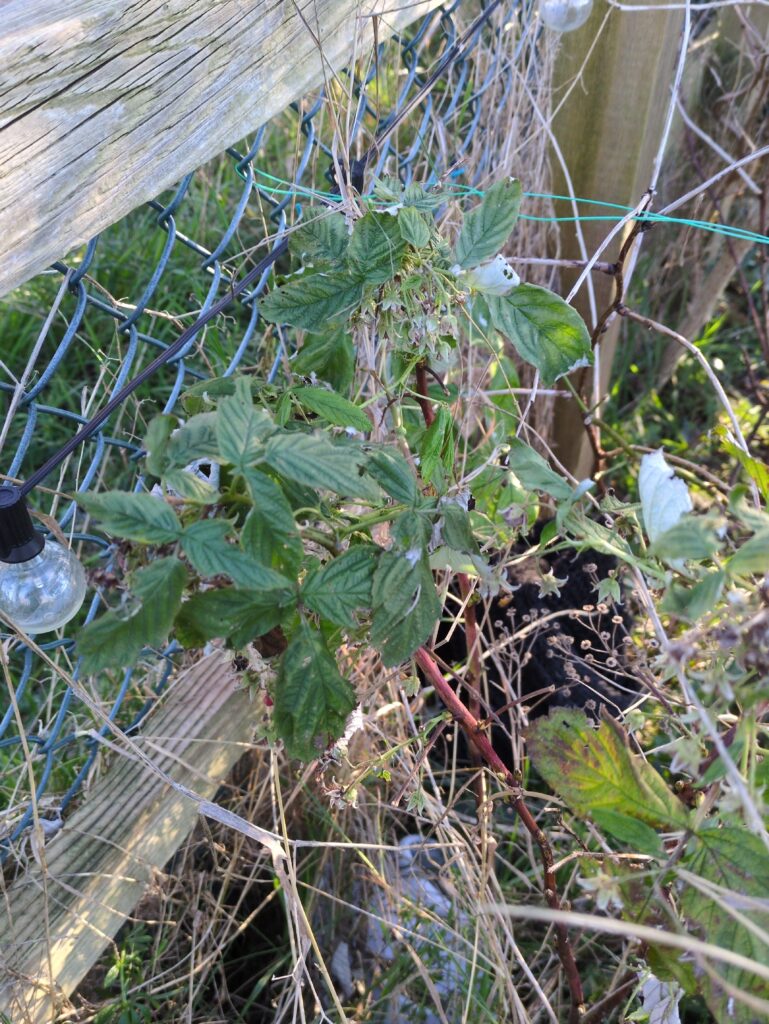
Basic Information
Scientific Name: Rubus idaeus
Plant Family: Rosaceae
Conservation / Invasive Status: Not Evaluated
Geographic Range: Circumboreal, Eastern North America, Northeast US, Northern New England
Safety Level: Generally Safe
Harvest Season: Fall, Summer
Parts Used: Berries, Fruit, Leaves, Roots
Scientific & Botanical Information
Botanical & Scientific
Active Compounds
- Ellagitannins & Sanguiin H-6: Red raspberry leaf contains exceptionally high concentrations of hydrolyzable tannins, with sanguiin H-6 comprising 139.2-633.1 mg/100g in shoots and ellagic acid at 26.1-106.8 mg/100g. These ellagitannins exhibit potent antioxidant, antimicrobial, and antiproliferative activity against cancer cell lines.1
- Flavonoid Complex: Including hyperoside, quercetin derivatives, kaempferol, isoquercetin, myricetin, and tiliroside. Contribute anti-inflammatory, antioxidant, and vasculoprotective effects with particular benefit for vascular tone and pelvic tissue tightening.1
- Fragarine: Alkaloid compound traditionally credited with uterine and pelvic muscle toning, though pharmacological mechanism requires further research. Concentrations vary significantly with plant part and growth stage.2
- Triterpenes: Ursane- and oleanane-type triterpenoids including olean-12-ene-3β,29-diol and urs-12-ene-3β,30-diol with anti-inflammatory and cytoprotective properties.1
What Science Shows
- Pregnancy & Labor Outcomes: A double-blind, randomized, placebo-controlled trial (n=192) with low-risk nulliparous women consuming 2.4 g daily raspberry leaf tablet from 32 weeks gestation found no adverse effects to mother or baby. The only clinically significant findings were shortening of the second stage of labor (mean difference 9.59 minutes) and lower forceps delivery rate (19.3% vs 30.4%), though first-stage labor duration was not affected.2 Recent prospective observational studies (2024) confirm shorter second-stage labor with raspberry leaf use.3
- Antioxidant Capacity: Strong antioxidant activity with EC50 of 19.4 μg/ml and AAE (antioxidant activity equivalent) of 427.94 mg/g, comparable to pharmaceutical antioxidants and beneficial for cellular protection against oxidative stress.1
- Antimicrobial Properties: Strongest bactericidal activity against Corynebacterium diphtheriae; broad-spectrum activity against common pathogenic bacteria. Essential oil and polyphenolic extracts demonstrated significant antimicrobial potency.1
- Anti-inflammatory & Immune Support: Polyphenolic compounds reduce inflammatory markers and support immune cell function through multiple pathways, beneficial for mucosal inflammation and systemic immune response.1
- Cardiovascular Support: Flavonoid composition shows positive effects on blood lipids and atherosclerosis prevention, supporting cardiovascular health.1
- Limited Clinical Evidence: While raspberry leaf has a centuries-long traditional use history, robust randomized controlled trials specifically examining its efficacy for pregnancy preparation remain limited. A 2024 analysis notes that “a randomised controlled trial is urgently needed to provide women and healthcare providers with robust evidence on which to base practice.”3
Growing in New England
- Hardiness: USDA Zones 2-9 with particular New England native R. idaeus ssp. strigosus hardy to zone 2. Vigorous perennial establishing reliably throughout region.
- Soil: Prefers well-drained, fertile loam but adapts to varied soil types. Tolerates acidic to neutral pH (5.5-7.0). Avoid heavy clay and poor drainage which reduce vigor.
- Sun: Full sun to partial shade; minimum 6 hours direct sunlight for optimal berry production and leaf quality.
- Water: Moderate moisture requirements; consistent water during growing season improves vigor. Drought-tolerant when established; avoid waterlogging.
- Propagation: Easily propagated by root cuttings, suckers, or seed. Canes produce fruit in second year then die back.
Safety & Interactions
Red Raspberry is among the safest herbs used during pregnancy, with no documented contraindications at recommended doses. The herb contains no known teratogenic compounds and has been used safely for centuries in traditional women’s herbalism. However, certain precautions apply: individuals with a history of kidney stones should moderate consumption of high-tannin material due to oxalate content (though oxalate levels remain relatively low compared to spinach or chard). The herb may potentiate astringent effects when combined with other tannin-rich herbs; moderation recommended when combining multiple astringents. Generally recognized as safe by herbalists and traditional medicine practitioners. No known drug interactions with conventional medications.2,4
New England Specific
Wild Species
The native American red raspberry (R. idaeus ssp. strigosus) is documented throughout Connecticut, Massachusetts, Maine, New Hampshire, Rhode Island, and Vermont. Distinguished from introduced European subspecies (R. idaeus ssp. idaeus) by leaf characteristics and growth patterns. Both forms naturally regenerate in disturbed areas, forest edges, and managed clearings throughout New England. The native subspecies demonstrates superior cold hardiness and adaptation to regional climate variation.
Seasonal Timing
April-May: Spring growth emergence; new cane development begins. May-June: Floricane (second-year cane) flowering with white/pink blossoms. June-July: Berry ripening on floricanes; leaf harvest window opens mid-June when leaves reach full size but remain tender. July-August: Primocane (first-year) continued growth; late berry harvest on floricanes. August-September: Leaf harvest continues through early fall; primocane ripens some berries in autumn-fruiting varieties. October-November: Cane senescence begins; floricanes eventually die back; root system prepares for winter. December-March: Dormancy with good winter survival; late-winter cane pruning recommended.
Growing Considerations
New England’s cool climate favors red raspberry cultivation with excellent production and pest management advantages. The region’s moisture and cool nights produce superior berry quality and higher phytochemical concentrations compared to warmer regions. Space plants 2-3 feet apart in rows 6-8 feet apart for air circulation and ease of harvest. Mulch heavily to regulate soil temperature and moisture. Prune floricanes to ground after harvest to manage disease and support new cane development. Support primocanes with trellising if desired. Annual cane management through pruning and thinning significantly improves productivity and leaf quality. Disease pressure (primarily fungal) is manageable through proper air circulation and removal of diseased material.
Sourcing & Ethics
Wild red raspberry populations in New England are abundant and not threatened; sustainable harvest of berries and leaves is appropriate from undisturbed wild populations following ethical foraging principles. However, cultivation is strongly preferred to support land stewardship and ensure consistent medicinal quality. Native plant nurseries throughout New England offer R. idaeus ssp. strigosus plants and seeds. Certified organic cultivated material ensures pesticide-free product. Dried leaf material should be current-season harvested from certified sources; discard material older than 2 years as tannin levels degrade with storage. Fresh berry preservation through freezing or drying maintains nutritional value excellently.
Pharmacological Actions: Anti-inflammatory, Antifungal, Antimicrobial, Antioxidant, Antispasmodic, Astringent, Emmenagogue, Immunomodulatory, Uterine Tonic, Vulnerary
Traditional Herbalism Information
Traditional Herbalism
Parts Used & Applications
Leaves (Primary Medicinal Part):
- Women’s reproductive health tonification and long-term pelvic support
- Pregnancy preparation and support throughout gestation
- Labor and childbirth facilitation through pelvic muscle toning
- Postpartum recovery and uterine involution support
- Menstrual regulation and normalization of cycle
- Heavy menstrual bleeding management
- PMS symptoms, menstrual cramping, and discomfort relief
- Diarrhea and loose stools in children and adults
- Sore throat gargling and mucosal inflammation reduction
- Mouth ulcers and bleeding gums support
Berries:
- Nutritive support and general immune enhancement
- Antioxidant supplementation for cellular protection
- Culinary use in jams, juices, and fresh consumption
- Gentle stomach support and digestive health
Preparation Methods
Infusion (Leaf Tea)
The primary and most traditional preparation method. Steep 1-2 teaspoons dried leaf (or 2-3 teaspoons fresh leaf) in 8-12 oz hot water (180-200F) for 5-15 minutes depending on desired strength. For pregnancy support, herbalists recommend 1-3 cups daily, consumed warm or cool. For acute conditions (heavy bleeding, diarrhea), increase to 3-4 cups daily in divided doses. The infusion develops a mild astringent taste with subtle fruity undertones. Traditional practice involves beginning pregnancy infusions in the second trimester (though safe throughout) and continuing through labor.2,5
Tincture (Leaf)
Fresh or dried leaf 1:2 ratio with 60% alcohol or 1:5 with 40% alcohol for dried material. Macerate 4-6 weeks in cool darkness, shake regularly, then strain. Dose: 20-40 drops (1-2 ml) in water 2-3 times daily. Tinctures concentrate active compounds for individuals unable to consume large quantities of tea, though infusions remain traditional preference for pregnancy use.5
Glycerite (Alcohol-Free)
Particularly useful for pregnancy applications where some individuals prefer alcohol-free preparations. Prepare with dried leaf at 1:4 ratio in vegetable glycerin, macerate 2-4 weeks, strain. Dose: 1-2 teaspoons 2-3 times daily. Glycerites maintain good shelf stability and appeal to those avoiding alcohol.
Traditional Applications
Pregnancy & Childbirth: Red Raspberry leaf represents one of the most extensively documented herbs in women’s herbalism across cultures. European herbalists documented its use for at least two centuries as a uterine tonic and birth preparation herb. Traditional use involved beginning regular leaf infusions in the second trimester (1-3 cups daily) and continuing through labor. The herb’s traditional properties—increasing blood flow to the uterus, aiding uterine muscle fiber organization into coordinated contractions, and toning pelvic tissues—make it uniquely suited to pregnancy preparation. A 2015 randomized controlled trial (n=192) supported these traditional observations, showing shorter second-stage labor and reduced forceps requirement, though first-stage labor duration was unchanged.2
Heavy Menstrual Bleeding: Traditional herbalism employed Red Raspberry leaf as primary botanical for excessive menstrual flow. The herb’s tannin and flavonoid content supports vascular integrity and tissue tone, reducing bleeding intensity. Traditional dosing: 1-2 teaspoons dried leaf steeped into strong infusion, consumed 2-3 times daily throughout menstrual cycle or specifically during heavy-flow days. Herbalists often combined it with Shepherd’s Purse for enhanced hemostatic effect or with Yarrow for dual action on bleeding and inflammation.2
Menstrual Regulation: As a uterine tonic, Red Raspberry leaf supports reproductive cycle normalization. Traditional use addressed irregular cycles, scanty periods, and prolonged cycles through sustained infusion consumption (1-2 cups daily for several months). European herbalists recognized the herb’s ability to normalize both excessive and insufficient menstrual flow through its toning action on reproductive tissues.2
Diarrhea & Digestive Support: Red Raspberry’s astringent tannin content made it a traditional choice for diarrhea in both children and adults. The infusion, taken in small frequent doses (1/4 to 1/2 cup) 3-4 times daily, provided gentle astringency without harsh effects. Herbalists valued it particularly for childhood diarrhea and post-infectious recovery, often combining with Plantain or Slippery Elm for mucosal healing.2
Sore Throat & Mouth Ulcers: A traditional gargle using strong leaf infusion (double-strength) addressed sore throat inflammation and mouth ulcers. Instructions: steep 2-3 teaspoons dried leaf in 6 oz water for 10-15 minutes, cool slightly, then gargle 3-4 times daily. The astringent tannins tighten inflamed tissues while flavonoids reduce inflammation.2
Modern Adaptations
Contemporary herbalists continue predominantly traditional applications while emphasizing clinical research validation where available. Modern practice recognizes Red Raspberry’s role extending beyond reproduction into systemic antioxidant support and general wellness. Many contemporary herbalists recommend beginning leaf infusions earlier in pregnancy planning phase (pre-conception) to establish nutritive and toning foundation. Modern formulations often combine Red Raspberry with Nettle leaf for comprehensive prenatal support, honoring both plants’ nutritive densities. Herbalists now emphasize the importance of quality dried material (current-season, properly stored) for optimal tannin and flavonoid content. Some contemporary practitioners use berry extracts for antioxidant supplementation alongside traditional leaf infusions for pregnancy, creating comprehensive reproductive support protocols.
New England Specific
New England herbalist traditions emphasize local wild harvest and cultivation of native R. idaeus ssp. strigosus for superior cold-weather adaptation and regional climate appropriateness. Local herbalists have long integrated wild berry and leaf harvest into seasonal rhythms, with summer gathering providing fresh material for immediate use and preservation through drying or freezing. The region’s strong Shaker herbalism tradition documented extensive use of Red Raspberry leaf for women’s health, representing one of the most valued herbs in Shaker apothecaries. Contemporary New England herbalists continue emphasizing locally-sourced material grown without chemical inputs.
Sourcing & Ethics
Source or cultivate fresh New England-grown Red Raspberry leaf for maximum medicinal quality, as local material demonstrates superior phytochemical concentration adapted to regional climate. Native plant nurseries throughout New England provide R. idaeus plants and seeds. Sustainable wild harvest of leaves and berries is permissible from abundant populations with appropriate ethical foraging practices (leave 50% of harvestable material, avoid over-stripping single plants). Dried leaf material should be current-season harvested, stored in airtight glass containers in cool/dark conditions, and used within 2 years for optimal potency. Frozen fresh berries retain nutritional value excellently for extended periods. Certified organic cultivated material ensures chemical-free harvest.
Harvest Notes
Leaves:
When to Harvest: June through August in New England, with optimal harvest mid-June through mid-July when leaves reach full size but remain tender and vibrant green. Harvest after morning dew dries but before midday heat. Leaves harvested earlier in the season contain higher tannin concentrations; late-season leaves gradually decline in potency.
How to Harvest: Pinch or cut individual leaflets or small leaf clusters from canes, avoiding complete defoliation of single canes. Each cane can be harvested multiple times throughout the season if done gently and selectively. Traditional practice involves harvesting from multiple plants rather than stripping single plants bare, ensuring plant health and regeneration.
Processing & Storage: Spread fresh leaves on screens in warm, well-ventilated location away from direct sunlight, or bundle loosely and hang in bundles. Drying should complete within 2-3 days to minimize potency loss. Completely dried leaves should be brittle and crumbly. Store in airtight glass containers in cool/dark location. Dried Red Raspberry leaf maintains optimal potency for 1-2 years with good storage; gradual decline occurs after 18 months. Frozen fresh leaf (in sealed freezer bags) maintains potency for up to 1 year and can be used directly in infusions.
Traditional Uses: Astringent, Digestive Support, Pregnancy Support, Reproductive Health, Uterine Support, Vulnerable, Women's Health, Wound Healing
Magical Correspondences Information
Magical Correspondences
Planetary Ruler: Venus – representing love, attraction, fertility, feminine power, desires, relationships, pleasure, beauty, abundance, heart-centered energy. Red Raspberry embodies Venusian qualities of nourishing love and fertile potential.
Element: Water – representing emotion, intuition, flow, healing, adaptability, fertility, feminine principle. Water element connects to emotional dimensions of love, family bonding, and reproductive abundance.
Gender: Feminine (traditional classification)
Deities: Venus/Aphrodite (love, fertility, desire), Diana/Artemis (women’s health, protection of women and children), Brigid (Celtic goddess of fertility and healing), Hera (Greek goddess of women and families)
Magical Intentions
Love & Attraction:
- Carry dried leaf or berry in cloth sachet to attract and strengthen romantic love
- Use in love-drawing sachets and charm bags for enhancing existing relationship bonds
- Create love infusion for drinking or use in baths to invoke Venusian attraction energy
- Wear dried berries on cord necklace as love talisman
- Include in handfastings and commitment ceremonies for relationship blessing
Fertility & Prosperity:
- Carry dried leaves for female fertility support and conception assistance
- Create fertility charm bags with dried berries and leaves for family planning
- Plant Red Raspberry in garden for household fertility and abundance blessing
- Use in prosperity magic due to plant’s abundant berry production and generative nature
- Include in abundance rituals combining fertility and material prosperity intentions
Women’s Power & Protection:
- Wear or carry as personal amulet for female empowerment and self-protection
- Create protective charm bags specifically for pregnant women and new mothers
- Include in rituals for honoring feminine cycles and bodily autonomy
- Plant around home perimeter for household protection with emphasis on women/children safety
- Use in rituals supporting women-centered healing and reclamation
Faithfulness & Loyalty:
- Carry in relationship commitment magic for maintaining faithfulness and loyalty
- Include in marriage/partnership rituals for long-term commitment binding
- Gift dried leaves to partners as symbol of constancy and devoted love
Ritual Uses
Pregnancy Blessing Ritual: During pregnancy, create a sacred infusion using fresh or dried Red Raspberry leaf harvested or sourced with intention. Brew weekly infusions as part of conscious pregnancy ritual, speaking intentions for healthy pregnancy, safe delivery, and bonded motherhood while brewing. Pour infusion into special cup; drink mindfully while visualizing healthy baby development and birth. The act of regular leaf infusion becomes both physical support and magical practice, weaving practical herbal medicine with spiritual pregnancy intention.
Love Commitment Ritual: Create dried herb sachet combining Red Raspberry berries and leaves with Rose petals. Present to partner or new couple as commitment symbol. The sachet is kept in bedchamber or worn to strengthen relationship bonds and invoke faithful, generative love energy. Can be refreshed annually on relationship anniversary.
Women’s Circle Gathering: Brew large pot of Red Raspberry leaf infusion for women’s circles and gatherings, creating energetic container that honors feminine wisdom, reproductive health, and collective female power. Drinking infusion together strengthens group bonds and invokes supportive Venusian/feminine divine energy.
Color Correspondences
Red Raspberry’s deep crimson berries correspond to heart energy, passion, love, blood vitality, and reproductive power. Red represents fire-within-water, blending passionate Martian energy with receptive Venusian qualities. Green leaves correspond to growth, fertility, abundance, health, and new beginnings. In magical work, pair Red Raspberry with pink candles for gentle love magic or red candles for passionate commitment magic. Green candles support fertility and growth intentions.
Sabbat Associations
Beltane (May 1): Primary association with fertility, sexuality, and sacred union fire. Red Raspberry’s flowering and early fruit development align with Beltane’s generative energy and life force activation.
Litha/Midsummer (June 21): Secondary association with berry ripening and peak plant vitality. Midsummer harvest captures fertile abundance at seasonal height.
Lammas/Lughnasadh (August 1): Association with first harvest and gratitude for abundance, as berries reach peak ripeness in late summer.
Traditional Lore & Folk Magic
- European tradition held that red color of berries was like blood itself—most potent in love-inducing magic and magic for strengthening marriage and ensuring faithfulness
- Berry’s many seeds, mirror of generative potential in women’s bodies, made it powerful fertility charm and symbol of abundant childbearing capacity
- Raspberry canes hung at doors and windows protected households and specifically guarded women and children from harm
- When death occurred in household, raspberry branches were hung on windows to prevent deceased spirit from re-entering after departure
- Thorns on canes were recognized as protective shield; cane barriers planted as living fences symbolized protection of domestic space and family sanctity
- Eating fresh raspberries was considered blessing for women seeking conception and for pregnant women desiring healthy pregnancy and birth
Regional Magical Timing
Optimal New England timing for Red Raspberry magic: May through August, with peak Beltane timing in late April/early May as flowers emerge and early May through June as fertility energy peaks with flowering and early fruiting. For pregnancy-specific magic and women’s health work, summer harvest period (June-August) is particularly potent as berries ripen and fertility energy is most active. For love magic, June flowering period captures gentle Venusian energy before intense heat. For faithfulness/loyalty magic, work during full moon periods within growing season to enhance binding and commitment energy. Carry dried leaf year-round for ongoing fertility, protection, and love intentions.
Combining with Other Plants
Red Raspberry combines powerfully with Rose (petals) for comprehensive love magic, blending Venus rulership and heart-centered energy. Pair with Nettle for women’s health magic with nutritive and nourishing dimensions. Combine with Mugwort for pregnancy magic emphasizing both physical support and spiritual protection. Blend with Hawthorn for heart-healing magic connecting physical heart support with emotional heart opening. For fertility magic, combine with Motherwort and Angelica root for triple feminine power invocation. In love sachets, pair with Damiana and Rose for passionate love magic or with Jasmine for sweet, gentle love attraction. For marriage/commitment magic, combine with St. John’s Wort for light and constancy union.
Planetary Rulers: Venus
Magical Intentions: Creativity, Fertility, Grounding, Healing, Love, Nurturing, Prosperity, Women's Power
Elemental Associations: Earth, Water
1 Chemical composition and biological activity of Rubus idaeus shoots. (2015). Molecules, 20(4), 5818-5838. https://pmc.ncbi.nlm.nih.gov/articles/PMC4295307/
2 Simpson, M., Parsons, M., Greenwood, J., & Wade, K. (2001). Raspberry leaf in pregnancy: its safety and efficacy in labor. Journal of Midwifery & Women’s Health, 46(1), 51-59. https://pubmed.ncbi.nlm.nih.gov/11370690/
3 Raspberry leaf (Rubus idaeus) use in pregnancy: a prospective observational study. (2024). BMC Complementary Medicine and Therapies, 24, 146. https://pmc.ncbi.nlm.nih.gov/articles/PMC11034164/
4 Bone, K., & Mills, S. (2013). Principles and Practice of Phytotherapy: Modern Herbal Medicine. Churchill Livingstone/Elsevier.
5 Hoffmann, D. (2003). Medical Herbalism: The Science and Practice of Herbal Medicine. Healing Arts Press.