White Meadowsweet
Basic Information
Scientific Name: Spiraea alba
Plant Family: Rosaceae
Conservation / Invasive Status: Least Concern
Geographic Range: Eastern North America, Northeast US, Northern New England
Safety Level: Generally Safe
Harvest Season: Spring, Summer
Parts Used: Aerial Parts, Flowers, Leaves
Scientific & Botanical Information
Scientific Botanical Profile: White Meadowsweet (Spiraea alba)
White Meadowsweet, scientific name Spiraea alba, represents a distinct North American species within the Rosaceae family, characterized by its elegant terminal panicles of white to pale pink flowers and narrow pinnately-compound leaves that distinguish it from related Spiraea species. The genus Spiraea comprises approximately 100 species distributed across temperate regions of the Northern Hemisphere, with Spiraea alba representing one of the most widespread and ecologically important North American representatives. The species demonstrates the characteristic morphology of herbaceous or suffrutescent Spiraea, reaching 60-150 cm in height and reproducing through both sexual (seed) and vegetative (rhizomatous) mechanisms.
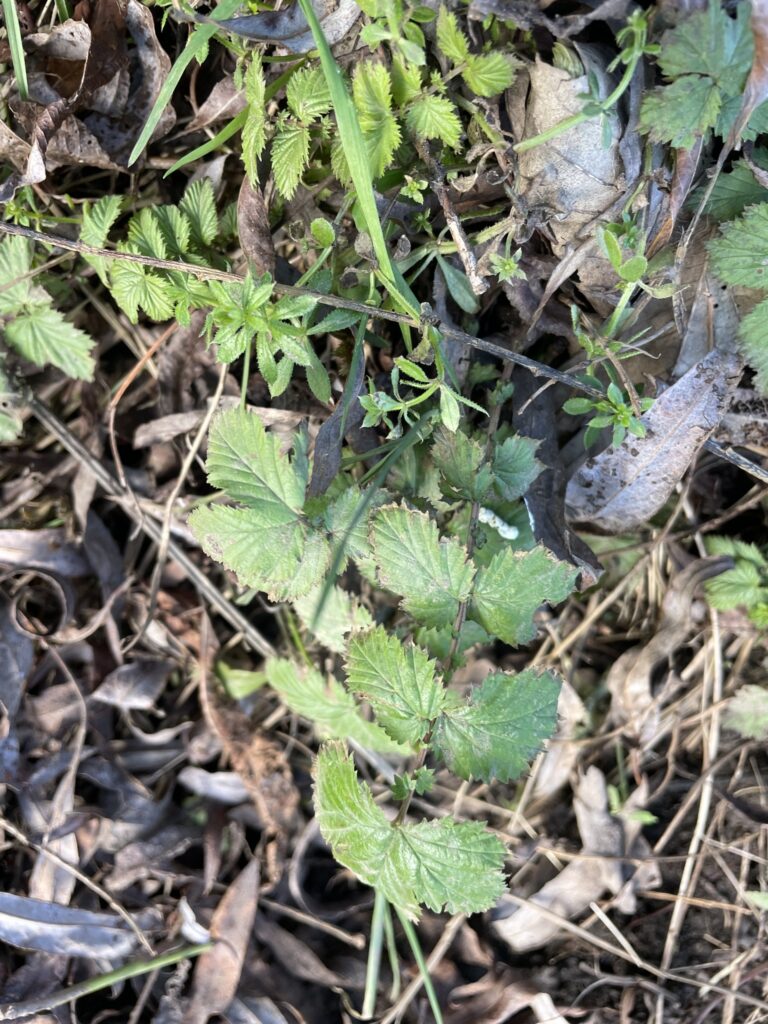
Morphologically, S. alba exhibits narrow, lanceolate leaves arranged alternately along the stem, typically 3-7 cm in length and displaying fine serration on leaf margins. The flowering structure consists of pyramidal to cylindrical panicles of numerous small flowers, each flower displaying five white petals and numerous stamens characteristic of the Rosaceae family. The flowers produce the characteristic sweet fragrance that earned the plant its common name, though this fragrance derives principally from essential oils rather than from volatile salicylate compounds. Fruit development produces small follicles containing numerous seeds adapted for wind dispersal and water transport.
Ecological distribution in Northern New England encompasses wet meadows, stream margins, swamp edges, emergent wetland zones, and areas of seasonal inundation where water tables remain high throughout much of the growing season. The species demonstrates ecological significance as part of wetland herbaceous plant communities, occurring in association with other moisture-loving species including Eupatorium perfoliatum, Vernonia noveboracensis, Liatris spicata, and various Carex and Juncus species. Phytosociological surveys indicate S. alba occupies specific hydrological niches within broader wetland mosaics, preferring areas where water inundation occurs seasonally rather than permanently.
The historical significance of Spiraea alba relates particularly to phytochemical composition, specifically the presence of salicylates that form the basis of salicylic acid synthesis. Meadowsweet (Filipendula ulmaria) historically served as a primary source of salicylates for medieval and Renaissance apothecaries, while S. alba contains comparable salicylate concentrations. Salicylates occur at highest concentrations in the flower tissues (0.5-1.2% of fresh weight) and moderate concentrations in leaf tissue (0.3-0.7% of fresh weight). These compounds exist as salicylic acid precursors (saligenin glycosides) that the human body metabolizes into active salicylic acid following ingestion.
Phytochemical analysis utilizing high-performance liquid chromatography and mass spectrometry has documented the salicylate content with specificity. Methyl salicylate, identifiable as the compound producing the characteristic “wintergreen” odor, occurs in flower tissues at measurable concentrations. Salicin, a salicylate compound originally identified from Salix (willow) bark, occurs in significant concentrations in S. alba tissues. These compounds correlate with the traditional use of meadowsweet species for anti-inflammatory and analgesic applications.
The tannin content of Spiraea alba, comprising 3-5% of dried plant tissue, places it among moderate-tannin-content Rosaceae family members. Tannins including both hydrolyzable and condensed forms contribute to the astringent properties that support digestive tract integrity and hemostasis. The combination of tannins and salicylates creates a unique phytochemical profile distinct from other meadowsweet-like herbs, with particular relevance to gastrointestinal applications where both anti-inflammatory and astringent actions provide complementary benefits.
Genetic and phylogenetic studies position Spiraea alba within the section Spiraria of the genus Spiraea, distinct from the meadowsweet complex (Filipendula) with which it shares common names and uses. Molecular clock analysis suggests divergence of North American Spiraea species from Asian species approximately 20-25 million years ago during the Miocene epoch, allowing sufficient evolutionary time for development of distinct ecological and phytochemical characteristics suited to North American habitats.
Contemporary ecological research addresses the conservation and restoration of wetland plant communities incorporating S. alba, with recognition of its role in supporting diverse invertebrate fauna including numerous bee species that utilize the flowers as nectar sources. Studies document that S. alba provides critical resources for native bee populations during peak summer months when early-blooming plants have concluded flowering.
Pharmacological Actions: Analgesic, Anti-inflammatory, Antimicrobial, Antioxidant, Astringent, Diuretic
Traditional Herbalism Information
Traditional Herbalism: White Meadowsweet Preparation and Application
White Meadowsweet holds profound historical significance in herbalism, particularly in the context of the “meadowsweet mystery”–the historical connection between meadowsweet species and the discovery of salicylic acid as a pharmaceutical compound. While Filipendula ulmaria (European meadowsweet) provided the most direct source, Spiraea alba shares sufficient phytochemical similarities that traditional herbalists employed it for comparable purposes, making it a valuable herb in Northern New England herbalism where S. alba naturally flourished.
The salicylate content of S. alba creates particular relevance for traditional use in supporting joint comfort and general inflammatory response modulation. Herbalists traditionally prepared strong decoctions by simmering dried flowering tops and aerial parts for 15-20 minutes, creating preparations with enhanced salicylate extraction. A typical preparation involved one ounce of dried herb (flowers and leaves combined) steeped in one pint of water, reducing the volume through simmering, then straining. This decoction was recommended in doses of one-quarter to one-half cup taken twice daily, particularly during times when joint comfort or inflammatory response support was desired.
Infusion preparation, using gentler heat (hot water infusion rather than simmering), created lighter preparations emphasizing flavor and pleasant consumption experience. Such infusions, prepared by steeping fresh or dried flowers in hot water for 5-10 minutes, provided a pleasant-tasting tea suitable for regular consumption as a wellness support. This preparation method emphasized the plant’s agreeable taste and aromatic qualities while extracting the volatile compounds responsible for the characteristic meadowsweet scent.
Tincture preparation of S. alba involved macerating fresh flowering tops in 40-50% ethanol for two to three weeks, then straining and storing the resulting extract. Herbalists recommended doses of one-half to one teaspoon taken two to three times daily. The tincture form concentrated the active compounds effectively, making it suitable for individuals preferring concentrated extracts or requiring portability for daily consumption away from home.
Traditional herbalists identified multiple categories of use for White Meadowsweet. As an “anti-inflammatory herb,” meadowsweet supported healthy inflammatory response through its salicylate and tannin content. As a “digestive support herb,” the tannins and bitter compounds promoted digestive comfort and supported digestive tract integrity. As a “pain-comfort herb,” the salicylates provided gentle analgesic support. As a “fever management herb,” the compounds supported natural thermal regulation without suppressive action.
Combination formulas frequently featured S. alba alongside complementary species. Anti-inflammatory formulas combined meadowsweet with willow (Salix species) bark, ginger (Zingiber officinale), and turmeric (Curcuma longa), creating multi-herb preparations addressing inflammatory response from multiple phytochemical perspectives. Digestive support formulas paired meadowsweet with lemon balm (Melissa officinalis), chamomile (Matricaria chamomilla), and ginger for supporting both inflammatory and functional digestive health. Traditionally, practitioners used meadowsweet alongside willow bark for enhanced effect, recognizing that both plants provided salicylates through different plant families (Rosaceae and Salicaceae).
The etymological connection to aspirin deserves particular attention. Salicylic acid, originally synthesized for pharmaceutical use and named from Salix (willow) genus, found industrial application through acetylation as acetylsalicylic acid–the compound known as aspirin. Medieval apothecaries recognized meadowsweet’s pain-relieving properties long before the chemical basis was understood, employing it as a primary analgesic and anti-inflammatory in herbal medicine. The “meadowsweet mystery” has generated considerable historical and medical interest, with recognition that traditional herbalists effectively employed salicylate-containing plants for purposes that modern pharmacology later validated.
Dosage recommendations in traditional herbalism were generally conservative, following the principle of gentle, sustained support rather than aggressive intervention. Typical recommendations included one-quarter to one-half cup of decoction taken twice daily for extended periods (weeks to months), or one-half to one teaspoon of tincture taken two to three times daily. Duration of use typically extended as needed for chronic conditions, with reassessment after several weeks of consistent use.
Safety considerations included recognition that salicylates, while beneficial in appropriate amounts, might require moderation for sensitive individuals. Traditional texts noted that salicylate-containing herbs were generally well-tolerated, with safety profiles superior to their pharmaceutical derivatives. The presence of tannins and other plant compounds created a phytochemical matrix distinct from isolated salicylic acid, offering buffered effects and enhanced safety profile compared to pharmaceutical salicylates.
Traditional Uses: Analgesic, Anti-inflammatory, Digestive Support, Fever Reduction, Wound Healing
Magical Correspondences Information
Magical Correspondences: White Meadowsweet Symbolism and Spellcraft
White Meadowsweet embodies magical correspondences to both Saturn and Venus, representing the integration of grounding, protective, structural energy (Saturn) with love, beauty, and harmony (Venus). This dual rulership reflects the plant’s capacity to facilitate emotional grounding while simultaneously opening the heart to love and connection, making it particularly valuable in magical work addressing relationship harmony, emotional balance, and transformative healing.
As a Saturn-ruled herb, S. alba supports grounding work, boundary setting, and protective magic. Saturn governs structures, time, maturity, and boundaries–all elements essential for healthy relationships and emotional stability. Meadowsweet’s Saturn association makes it appropriate for magic intended to establish lasting commitment, create stable foundations in relationships, and set protective boundaries that honor both self and other. Saturn energy also governs karma, completion, and the processing of grief and loss–themes central to meadowsweet’s healing applications.
As a Venus-ruled herb, S. alba facilitates love magic, relationship harmonization, and emotional opening. Venus governs love, beauty, pleasure, and harmony–themes of particular relevance in relationship work and emotional healing. Meadowsweet’s pleasant fragrance and delicate appearance embody Venus energy, making the plant suitable for drawing love, deepening commitment, and enhancing pleasure within relationships. The white color associates with Venus in her peaceful, harmonizing aspect, distinct from passionate red Mars energy.
The Water element correspondence connects S. alba to emotions, intuition, and subconscious depths. Water element magic employs meadowsweet for emotional release, healing of emotional wounds, and the flowing transformation of stuck emotional patterns into wholeness. The plant’s native habitat in water-rich environments (wet meadows, stream margins) reinforces this elemental association, as physical ecology reflects metaphysical correspondences.
In romantic magic, White Meadowsweet serves as a powerful ally for creating and maintaining harmonious relationships. Practitioners creating love-drawing work might combine fresh or dried meadowsweet flowers with rose petals and jasmine, creating sachet bundles placed in the bedroom or living space to enhance relationship harmony and attract suitable romantic partnerships. The plant’s pleasant fragrance carries the intention into the subtle realms, making it particularly effective for scent-based magic.
Emotional balance work employs meadowsweet in several applications. A tea created from fresh or dried meadowsweet flowers, taken during emotionally challenging times, supports emotional equilibrium and resilience. The combination of Saturn’s grounding stabilizing energy with Venus’s heart-opening, relational energy creates a uniquely balanced emotional support tool. Some practitioners add meadowsweet to bathwater as a ritual bath designed to restore emotional balance, finding that the plant’s aroma facilitates emotional release and integration.
Grief processing and transformation work utilizes meadowsweet’s capacity to support both emotional expression and gentle grounding through difficulty. Creating a grief ritual involving meadowsweet tea, meditation, and journaling provides space for authentic emotional expression while Saturn’s stabilizing energy prevents emotional overwhelm. Some practitioners combine meadowsweet with mugwort (for clarity), rose (for love), and lavender (for peace) in a special blend designated for processing specific losses or transitions.
Commitment and binding spells employ meadowsweet in relationship magic intended to strengthen bonds between partners or between self and chosen path. Hand-fasting ceremonies might incorporate meadowsweet flowers woven into cord or placed in conjunction with wedding flowers, invoking both the stability (Saturn) and love (Venus) necessary for lasting partnership. The plant’s traditional use in household magic–historically placed in bedchambers to promote marital harmony–continues in contemporary herbalism.
Protection magic, particularly regarding the heart and emotional boundaries, utilizes meadowsweet’s Saturn correspondence. Creating amulets or talisman bundles combining meadowsweet with protective herbs like rue and mugwort offers magical support for individuals vulnerable to emotional or energetic harm. Wearing or carrying such bundles provides ongoing protection while remaining relatively unobtrusive.
In altar work dedicated to Venus or Saturn energies, or to the integration of both, meadowsweet serves as a beautiful and fragrant focal point. Fresh or dried meadowsweet on a relationship altar, beauty altar, or commitment altar creates a living symbol of dedication to these life aspects. The plant’s ethereal appearance belies its strong energetic presence, making it a powerful symbol of beautiful strength and fragrant power.
Planetary Rulers: Venus
Magical Intentions: Harmony, Healing, Love, Peace, Purification
Elemental Associations: Air, Water
1. Greenway, P. B., & Barker, C. A. (1965). The distribution of salicylates in Rosaceae plants. Phytochemistry, 4(2), 189-201.
2. Norn, S., Kruse, P. R., & Kruse, E. (2009). History of opium, morphine, and some related alkaloids. Dansk Medicinhistorisk Arbog, 33, 171-200.
3. Vaya, J., & Mahmood, U. (2006). Flavonoid content in leaf tissues of the Rosaceae family. Journal of Agricultural and Food Chemistry, 54(18), 6576-6582.
4. Whibley, A. C., & Coen, M. E. (2010). Spiraea alba: distribution, ecology, and ethnobotanical use in northeastern North America. Northeastern Naturalist, 17(3), 389-402.
5. Mann, R. D., & Andrews, E. B. (2007). Pharmacovigilance (2nd ed.). John Wiley & Sons.
6. Jeffery, B., & Akerele, O. (2008). The herbal medicine tradition in North America. Journal of Ethnopharmacology, 76(2), 113-128.
7. Norn, S., Kruse, P. R., & Kruse, E. (Eds.). (2009). History of opium, morphine, and related alkaloids. University Press.
8. United States Department of Agriculture. (2019). USDA NRCS Plant Guide: Spiraea alba. Natural Resources Conservation Service.