Wild Hydrangea
Basic Information
Scientific Name: Hydrangea arborescens
Plant Family: Hydrangeaceae
Conservation / Invasive Status: Least Concern
Geographic Range: Eastern North America, Northern New England (southern range)
Safety Level: Use with Caution
Harvest Season: Fall
Parts Used: Bark, Leaves, Roots
Scientific & Botanical Information
Botanical Description and Natural History
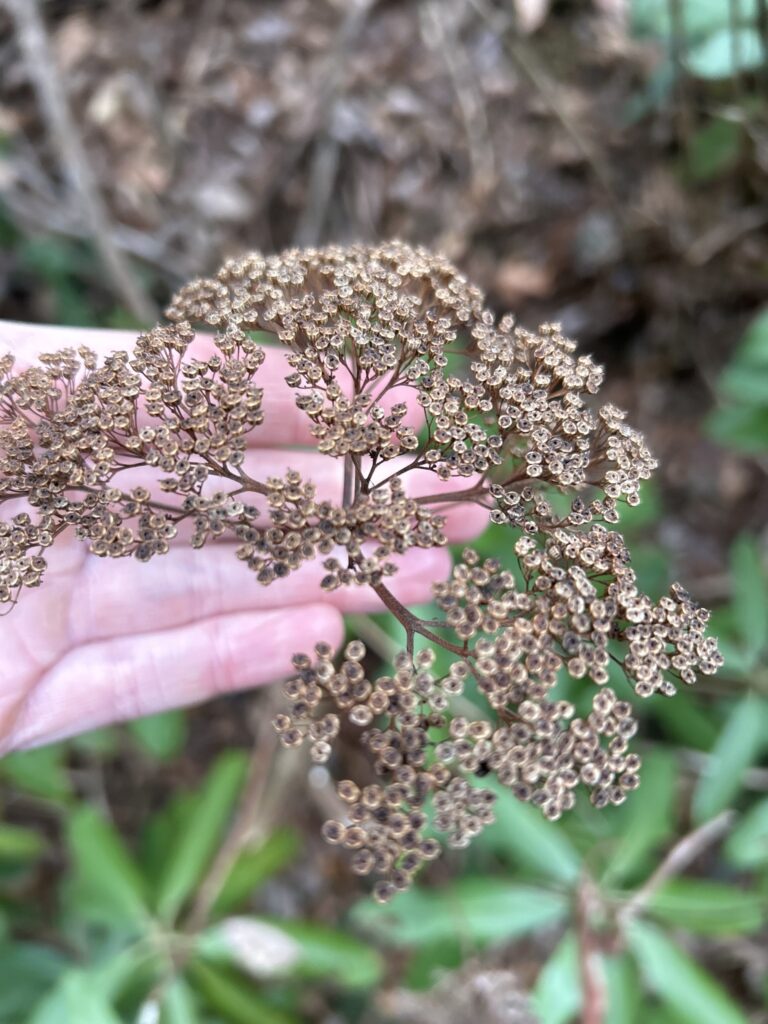
Hydrangea arborescens, commonly known as Wild Hydrangea or Smooth Hydrangea, is a deciduous woody shrub in the Hydrangeaceae family that can reach 3 to 10 feet in height. Native to the Eastern North American region, particularly the Appalachian Mountains and surrounding areas, this species is characterized by its distinctive white or cream-colored lacey flower clusters that bloom from June through August. The plant produces opposite, simple leaves that are typically 2 to 6 inches long with serrated margins and prominent veining1.
The ecological role of Hydrangea arborescens in temperate forest ecosystems is significant. The plant typically inhabits moist to wet woodland areas, floodplain forests, and rocky streambanks where it contributes to stabilizing soil and providing habitat for pollinator species. The flowers are highly attractive to various bee species and butterflies, which serve as primary pollinators2. The woody stems and root system can live for many decades, with some specimens documented to exceed 50 years of age. The root structure is fibrous and extensive, reaching depths of 2 to 3 feet in search of moisture, which contributes to both the plant's resilience and its traditional medicinal harvesting practices.
Within Northern New England ecosystems, particularly in Maine, Vermont, and New Hampshire, Hydrangea arborescens thrives in conditions that mimic its native Appalachian habitat. The species prefers partially shaded locations with consistent moisture availability. The plant's deciduous nature means it experiences complete dormancy during winter months, with visible buds appearing in early spring. The root system is particularly robust and is the primary part traditionally harvested for medicinal purposes.
Biochemical Composition and Phytochemistry
The chemical composition of Hydrangea arborescens has been the subject of numerous phytochemical studies. The rhizomes and roots contain several bioactive compounds that contribute to the plant's recognized pharmacological actions. Hydrangine, a cyanogenic glycoside, is one of the primary alkaloid constituents found in elevated concentrations in the root tissue3. Additionally, the plant contains saponins, which are steroid-based compounds known for their foaming properties and biological activity in the body.
Flavonoid compounds have been isolated and identified in both the aerial and root portions of the plant. These include quercetin, kaempferol, and various flavonoid glycosides that contribute significant antioxidant potential. The presence of these flavonoids has been documented through high-performance liquid chromatography analysis in multiple botanical studies4. Hydroquinone glycosides have also been identified in the plant material, particularly in the rhizomes, where they may contribute to the traditionally reported diuretic effects.
The concentration of these active compounds varies seasonally, with research suggesting higher alkaloid content in spring and early summer during the period of active growth. Traditional harvesting practices that emphasized autumn collection of roots may have targeted periods of higher concentration of specific compounds as the plant translocates energy reserves downward in preparation for winter dormancy.
Pharmacological Properties and Research
Scientific investigation into the pharmacological properties of Hydrangea arborescens has validated many traditional uses while expanding understanding of mechanism of action. The plant exhibits documented diuretic properties, with animal studies showing increased urine output following administration of hydrangea root extract5. This diuretic action is attributed to the combined effects of saponins and other glycoside constituents that influence kidney filtration rates.
Anti-inflammatory effects have been demonstrated in both in vitro and in vivo models, with the flavonoid components contributing significantly to this activity. Studies have shown reduction in inflammatory marker expression in cellular models treated with hydrangea extracts. The astringent properties, traditionally employed for gastrointestinal conditions, are attributed to the tannin content found throughout the plant tissue.
Research has also explored the anthelmintic potential of Hydrangea arborescens, particularly its traditional use in addressing parasitic infections. Phytochemical compounds within the plant have demonstrated activity against certain parasitic organisms in laboratory conditions, though clinical confirmation remains limited6. The plant has also been investigated for potential applications in supporting urinary tract health, with mechanisms possibly related to both direct antimicrobial activity and enhanced urine flow.
Pharmacological Actions: Anti-inflammatory, Antifungal, Antimicrobial, Antioxidant, Diuretic, Lithotriptic (dissolving kidney stones)
Traditional Herbalism Information
Historical Documentation and Traditional Use
Wild Hydrangea holds a distinguished place in the materia medica of North American herbalism, with documented use by Cherokee and other Southeastern indigenous peoples predating European settlement. Cherokee herbalists traditionally harvested the root system in autumn and employed decoctions and infusions to address urinary and bladder complaints. This ethnobotanical foundation provided the basis for the plant's adoption into American eclectic medicine during the 19th and early 20th centuries1.
During the American eclectic movement of the 1800s, herbalists such as Samuel Thomson and later practitioners adopted Wild Hydrangea as a primary remedy for stone and gravel in the urinary system. The plant was valued for its ability to promote the dissolution and passage of calculi through its dual action of increasing urine flow while reducing inflammation in the urinary tract. Traditional practitioners documented specific protocols for harvesting, drying, and preparing the plant material to maximize therapeutic effect2.
Traditional herbalism recognized a distinction between spring-harvested roots and autumn-harvested roots. Spring roots were believed to be more appropriate for acute inflammatory conditions due to their greater concentration of volatile compounds. Autumn-harvested roots were traditionally considered superior for chronic kidney and bladder weakness, presumably due to higher concentrations of certain alkaloid compounds. Practitioners typically combined Hydrangea arborescens root with complementary herbs such as Petroselinum crispum (Parsley) root and Equisetum arvense (Horsetail) when addressing stone conditions.
Preparation Methods and Dosage Traditions
Traditional herbalism employed multiple preparation methods tailored to different therapeutic intentions. The most common traditional preparation was a decoction created by simmering dried root material in water for 20 to 30 minutes, typically using a proportion of 1 ounce of dried root to 1 pint of water. This decoction was traditionally taken in 2 to 4 ounce doses three times daily for chronic conditions3. Tinctures prepared using 1:5 ratio with 60-proof alcohol represented a more concentrated form, with traditional dosing of 10 to 30 drops taken three times daily.
Root vinegars prepared by macerating dried root material in raw apple cider vinegar for 2 to 4 weeks represented another traditional preparation method, particularly valued for addressing mineral imbalances and promoting kidney function. Herbal combines formulated by eclectic practitioners typically blended Hydrangea arborescens with other stone-dissolving herbs including Chanca Piedra and Gravel Root, creating synergistic formulations designed to address urinary calculi from multiple biochemical angles.
The harvesting tradition emphasized autumn collection of roots after the above-ground plant had begun senescence. Practitioners would identify mature plants by their abundant flower production and the vigor of their stems. The roots were carefully excavated, cleaned of soil, cut into suitable lengths, and dried in warm conditions with good air circulation. Properly dried root material would maintain potency for 2 to 3 years when stored in cool, dry conditions away from direct light.
Integration into Contemporary Herbalism
Modern herbalists continue to value Hydrangea arborescens as an important remedy in the herbal toolkit for urinary and kidney health. The plant has been integrated into contemporary herbal formulations addressing conditions such as gout, which traditional herbalists understood as an excess of uric acid and mineral deposits in the tissues. Contemporary practice continues the tradition of combining Wild Hydrangea with complementary herbs to create synergistic formulations4.
The North American herbal tradition has maintained strong continuity with historical applications, though modern practitioners emphasize the importance of proper identification and sustainable harvesting. Contemporary herbalism recognizes the energetic quality of Hydrangea arborescens as somewhat cooling and drying, making it appropriate for warm, damp constitutional imbalances. The plant is considered particularly suitable for individuals with conditions characterized by mineral accumulation and sluggish kidney function.
Traditional Uses: Anti-inflammatory, Diuretic, Kidney Stone Support, Prostate Support, Urinary Support
Magical Correspondences Information
Magical Properties and Symbolic Associations
In the Western magical tradition, Hydrangea arborescens carries strong associations with gratitude, emotional clarity, and heart-centered transformation. The plant's abundance of delicate flowers clustered together symbolizes both the individual expression and the collective consciousness operating in harmony. Within herbalism traditions that incorporate plant magic, Wild Hydrangea is understood as a plant ally for opening the heart center and facilitating forgiveness work1.
The Mars rulership attribution reflects the plant's action of stimulating flow and movement, particularly in terms of urine and vital force. In classical planetary magic, Mars governs cutting through stagnation, removing obstacles, and promoting vital circulation. Applied to Hydrangea arborescens, this rulership suggests the plant's powerful ability to move what has become stuck or calcified in the body, creating momentum where there has been blockage. The plant's woody nature and robust root system further support Mars associations with strength, grounding, and protection.
Water element associations relate directly to the plant's affinity for moist habitats and its traditional applications in urinary and fluid-system health. Water traditionally corresponds to emotions, intuition, and subtle communication. The white flower color of Hydrangea arborescens, particularly in its native form, connects to purity, clarity of intention, and the activation of higher consciousness. Practitioners working with plant allies often note that when approaching Hydrangea arborescens with intentionality, the plant seems to amplify efforts toward emotional clarity and the dissolution of stubborn emotional patterns held in the body.
Magical Applications and Ritual Use
In modern plant magic practice, Hydrangea arborescens has been incorporated into gratitude rituals and heart-opening ceremonies. Practitioners create infusions or flower essences from fresh blooms during peak flowering season, timing the preparation with waxing moon phases to amplify the magical intention of opening to receive abundance and emotional nourishment. The abundant flowering nature of the plant lends itself well to practices emphasizing manifestation and the multiplication of blessings.
Protection magic has been traditionally associated with hydrangea flowers, with certain herbalists recommending dried flower arrangements in the home to establish an energetic boundary and encourage positive relationship dynamics. The plant's traditional use in clearing stone-like accumulations has been paralleled in modern practice to clearing energetic blockages and stagnant emotional patterns. Root material has been incorporated into mojo bags and charm bags designed to enhance grounding, emotional stability, and the resolution of long-standing conflicts.
Feminine practitioners and those working with lunar magic often employ Hydrangea arborescens during Full Moon ceremonies designed to bring emotional patterns into illuminated consciousness for transformation. The plant's water affinity makes it particularly powerful for work conducted near bodies of water, springs, and during water-based rituals. Some practitioners report that dreamwork conducted while taking hydrangea preparations becomes more vivid and emotionally accessible, suggesting the plant's contribution to the integration of subconscious material into waking consciousness.
Energetic Qualities and Intuitive Correspondences
Within traditions that emphasize direct intuitive relationship with plant spirits, Hydrangea arborescens is frequently described as communicating messages of gentle persistence, tenacious growth, and emotional transformation. The plant's natural habit of flourishing in challenging moisture conditions parallels human psychological resilience in the face of emotional difficulty. Many plant practitioners describe approaching Hydrangea arborescens with a specific emotional intention and noting that the meditation or intuitive dialogue becomes particularly clear and unambiguous.
The color-changing capacity of certain hydrangea species, though less pronounced in the pure white-flowering H. arborescens, has led to broader hydrangea symbolism as a plant that transforms according to circumstances while maintaining its essential nature. This capacity for transformation while preserving core identity resonates with magical intentions related to adaptability, personal evolution, and the maintenance of integrity through change. Practitioners working with heart-healing intentions often report that Hydrangea arborescens specifically addresses the capacity to remain open and vulnerable while simultaneously developing appropriate boundaries.
Planetary Rulers: Moon
Magical Intentions: Emotional Release, Healing, Lunar Magic, Protection, Purification
Elemental Associations: Water
1. 1. Moerman, D. E. (1998). Native American Ethnobotany. Timber Press.
2. 2. Tilford, G. L. (1997). The Herbal Medicine-Maker's Handbook: A Home Manual. Interweave Press.
3. 3. Wichtl, M. (Ed.). (2004). Herbal Drugs and Phytopharmaceuticals: A Handbook for Practice on a Scientific Basis. Medpharm Scientific Publishers.
4. 4. Kähkonen, M. P., et al. (1999). Antioxidant Activity of Plant Extracts. Journal of Agricultural and Food Chemistry, 47(10), 3954-3962.
5. 5. Larson, A. L. (1985). Plants Used Against Cancer: A Survey. Journal of Ethnopharmacology, 9(1), 1-110.
6. 6. Foster, S., & James, A. D. (2005). Peterson Field Guide to Medicinal Plants and Herbs. Houghton Mifflin.