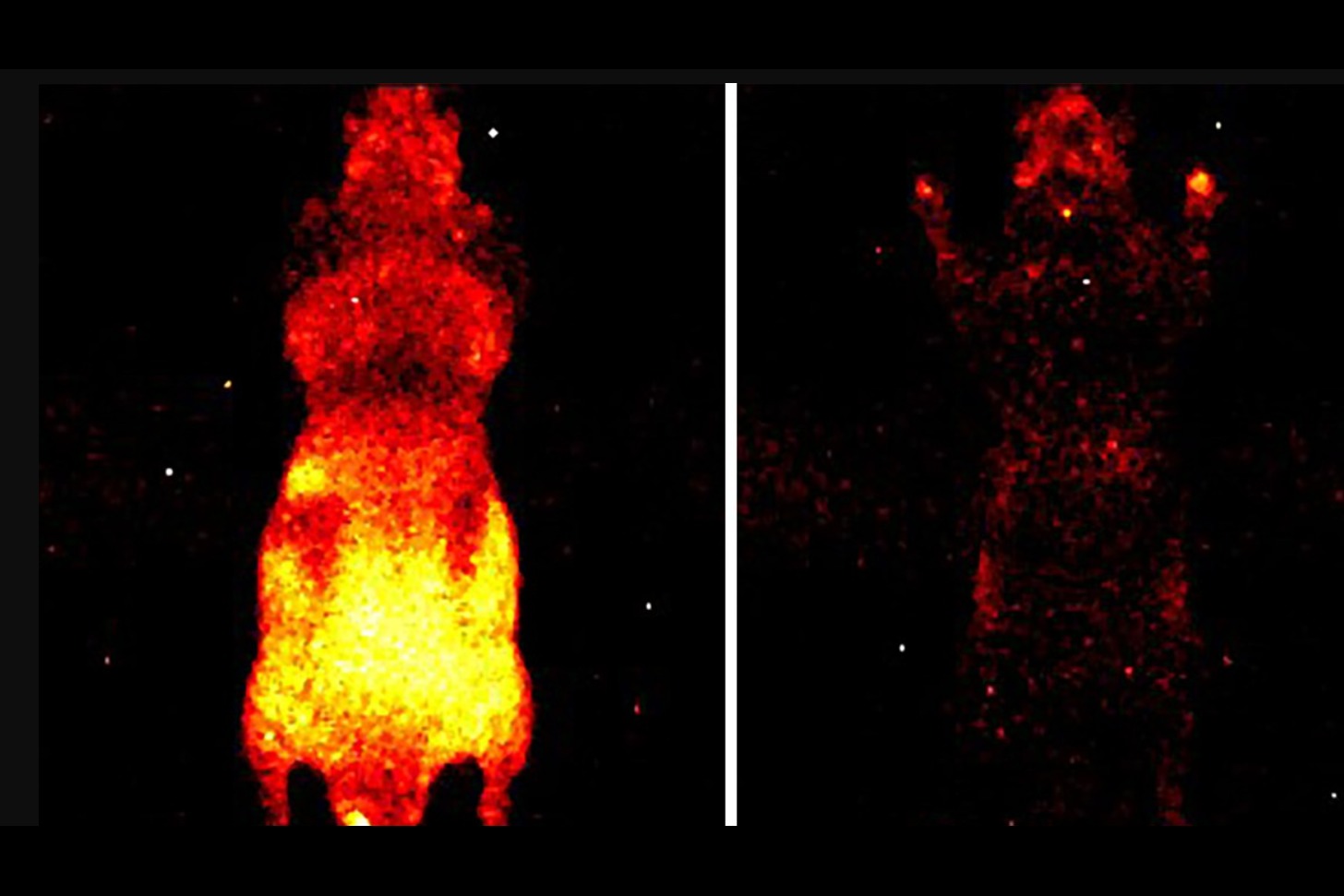
Here is a fact that sounds like it belongs in a séance rather than a peer-reviewed journal: every living cell in your body is emitting light.
Not metaphorically. Actual photons, streaming off your skin, invisible to the naked eye but real enough for a sensitive enough camera to catch. Researchers call them biophotons, or ultra-weak photon emissions, and they’ve been known to science for decades, mostly ignored, mostly filed under “interesting but unprovable.”
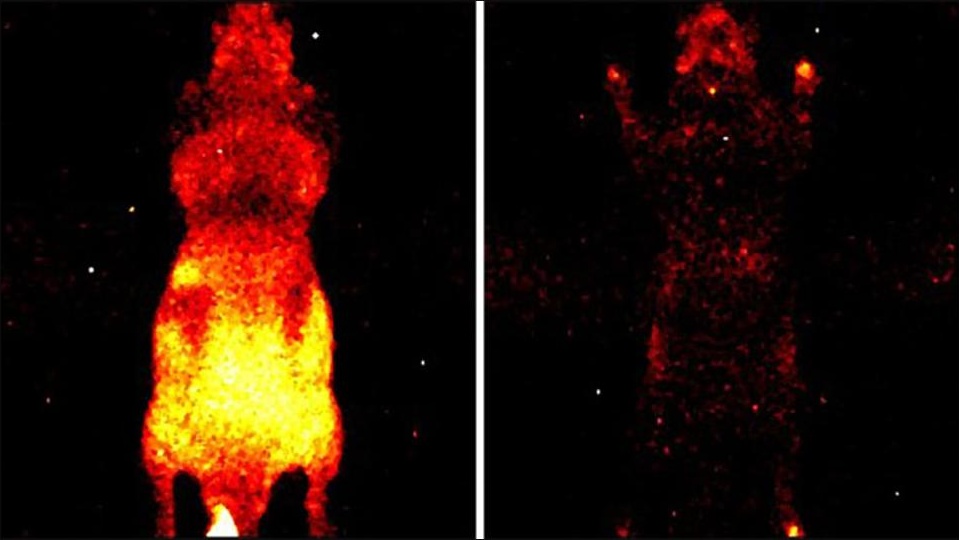
That changed in 2025, when a team at the University of Calgary put four anesthetized mice into a dark chamber and pointed a single-photon camera at them. What came back was a faint, ghostly, mouse-shaped glow. Then the mice were euthanized, and the researchers pointed the camera at them again, almost as an afterthought. The glow was gone. Not dimmed. Gone, aside from a few stray points of light. Whatever this light is, it stops when the mouse dies, even though the body is still warm.
The likely source is metabolism itself. Aerobic respiration inside mitochondria occasionally kicks an electron up to a higher energy state, and when it drops back down, it releases a photon. Multiply that across trillions of cells running their normal business of staying alive, and you get a glow too faint to see but not too faint to measure. Warm things give off infrared regardless of whether they’re alive. This light tracked life, not heat.
The researchers are cautious about what this means. The lead scientist, Daniel Oblak, has been careful to say the photons he’s imaging have nothing to do with claims about auras or hands that glow with healing energy, and he’s right to draw that line. What he captured is a biochemical signal, not a metaphysical one. But the study went viral anyway, and the messages poured in: healers reporting their hands lit up, people swearing they’d seen trees glow, the aura question surfacing again and again, like it always does when science gets close to something that sounds like what mystics have been describing for centuries.
That’s the part I find genuinely delightful, not because I think the mystics were secretly right about auras, but because it’s a good reminder that “we don’t understand this yet” and “this isn’t real” are not the same sentence. Some researchers are now asking whether this glow might be more than a metabolic side effect, whether cells could be using it to signal each other, whether it could someday flag disease or plant stress before anything else would show it. It’s an open question, sitting right at the edge of fringe science.
I found out about this the way most people probably do now, secondhand and a little late. I read the article and turned to a coworker, someone I don’t know well and don’t have a lot in common with, and asked her, only half joking, if I was the last person on earth to find out that humans glow. She lit up. She came over to my desk and talked for a long stretch, because it turns out she’s an energy healer, Reiki practice and all, and to her this wasn’t news. It was confirmation of something she already understood to be true.
I want to be honest about that moment instead of tidying it up. Part of what has kept biophoton research on the fringes of respectability for so long is exactly this, its proximity to spiritual and energy-healing frameworks that mainstream science doesn’t know what to do with. And there I was, sitting in that overlap in real time, not sure how to respond. I didn’t want to be dismissive of her belief system. I also didn’t want to nod along like I was agreeing with a framework I don’t share. I landed somewhere uncomfortable and honest in between, which felt like a pretty accurate preview of where this whole field of research is going to keep finding itself.
Human perception is a narrow slice of what’s actually happening around us. We see a sliver of the electromagnetic spectrum, hear a fraction of the vibrations moving through air, and for most of history had no way to detect a light our own cells were making the entire time. People have been telling stories about glowing around living things for a very long time. It turns out they weren’t wrong that something was there. They just didn’t have the camera yet.
Leave a Reply